
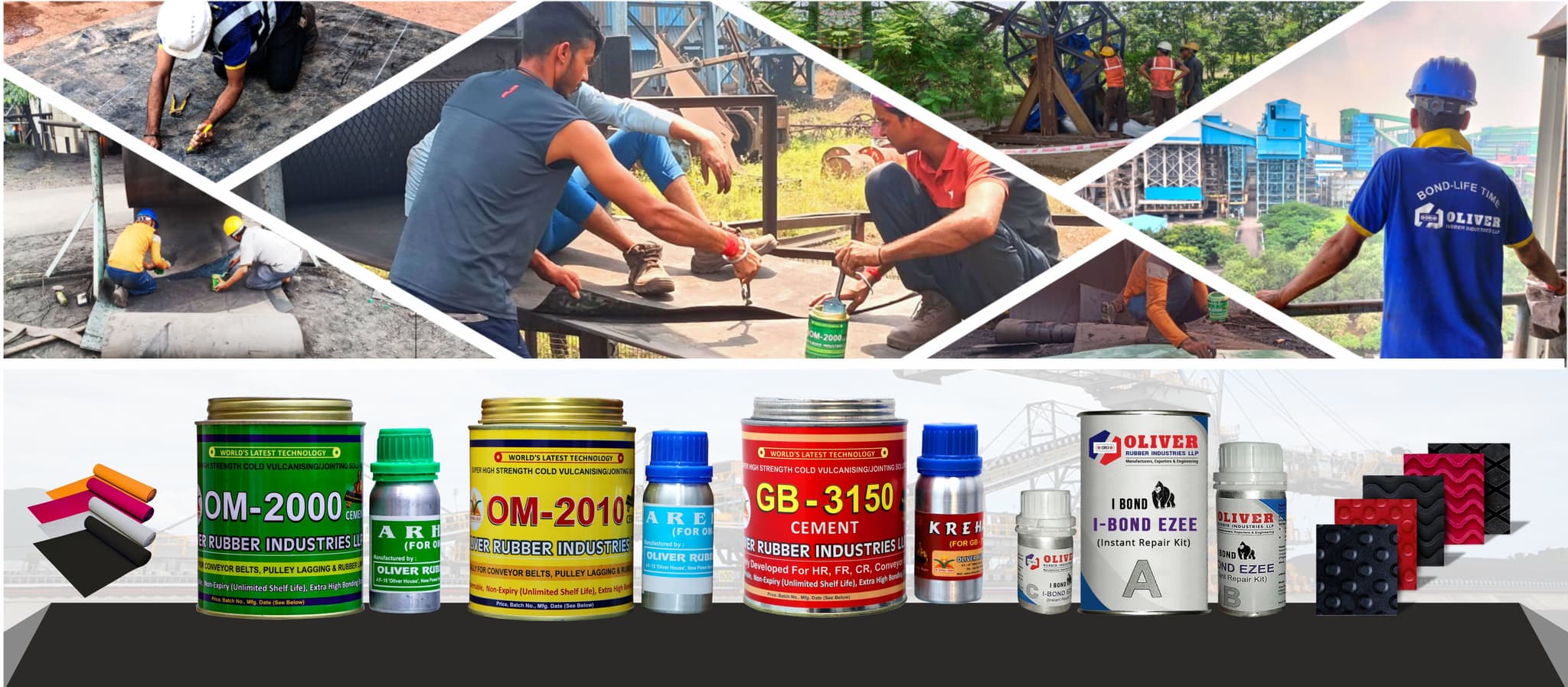
Sep 18, 2023
Imagine having a super special glue that can make rubber super strong without using any heat. Well, that's exactly what cold vulcanizing adhesive is all about! a versatile and essential product used in various industrial applications. Whether you're involved in conveyor belt maintenance, rubber repair, or other bonding tasks, cold vulcanizing adhesive plays a crucial role in ensuring reliable and durable bonds without the need for heat. Join us as we delve into the properties, uses, and benefits of cold vulcanizing adhesive and discover how it can revolutionize your bonding processes. Let's dive in!
Cold Vulcanizing Adhesive: The Super Glue for Rubber | |
|---|---|
What is cold vulcanizing? | A method to bond rubber materials without heat using a special adhesive. |
What is Vulcanizing Adhesive? | A strong adhesive designed for rubber bonding involves a chemical process to cure and strengthen the material. |
Uses of Cold Vulcanizing Adhesive | For fixing conveyor belts, rubber coating, joining rubber items, securing rubber mats, and repairing automotive parts. |
Rubber Cement vs. Vulcanizing Cement | Rubber cement is for temporary fixes, whereas vulcanizing cement provides a durable and permanent bond. |
Hot vs. Cold Vulcanization | Hot vulcanization requires heat and is suitable for certain applications, while cold vulcanization uses an adhesive and is versatile for many uses. |
Types of Vulcanization | Three types include sulfur, peroxide, and metal oxide vulcanization, each with a unique method to strengthen rubber. |
Why Vulcanize? | Vulcanization is done to enhance the durability of rubber, allowing it to resist wear and environmental factors. |
Materials Used in Vulcanizing | Different types of rubber, both natural and synthetic, are used depending on the application requirements. |
Chemicals Used to Vulcanize Rubber | Chemicals like sulfur, peroxides, and metal oxides are used to create the vulcanization process. |
Strength of Vulcanizing Cement | When applied correctly, vulcanizing cement forms an incredibly strong bond that is durable and long-lasting. |
Conclusion | Cold vulcanizing adhesive is an essential tool for repairing and strengthening rubber, functioning as a versatile solution for various applications. |
Cold vulcanization is a way to stick rubber things together without heat. We use a special glue called "Cold Vulcanizing Adhesive." This glue helps rubber things stay together really well.
The vulcanizing adhesive is like a superhero glue for rubber. It's made to stick rubber things together really well. Inside this special glue, there are tiny helpers that make rubber super strong when they all work together.
We use cold vulcanizing adhesive in many ways:
Sometimes, a rubber moving road breaks. We use this magic glue to fix it quickly so it can keep moving things smoothly.
Case Study: In a big factory, the conveyor belt that carried boxes suddenly tore apart. They used cold vulcanizing adhesive to mend it, and the belt was back in action in no time, keeping the factory running smoothly.
Big machines and tanks get a rubber coating to stay safe. This magic glue helps the rubber stick to the machines really well.
Case Study: At a chemical plant, huge tanks needed protection from chemicals. Cold vulcanizing adhesive was used to attach a rubber coating to the tanks, keeping them safe from harmful substances.
Rubber belts, hoses, and other rubber stuff can be stuck together using this special glue so they don't fall apart.
Case Study: In a construction site, a hose used for pumping water developed a leak. Workers used cold vulcanizing adhesive to seal the leak and keep the water flowing smoothly.
Case Study: In a playground, the rubber mats under the swings started coming apart. They used cold vulcanizing adhesive to bond the mats securely, making the playground safe again.
Case Study: A car on a long journey had a radiator hose break. The driver used cold vulcanizing adhesive to patch it up temporarily and reached the nearest garage safely.
You might have heard of something called "rubber cement," but it's not exactly the same as vulcanizing cement.
This glue is like a temporary friend for rubber. It doesn't make rubber super strong forever. It's just a quick fix.
Vulcanizing cement, on the other hand, is like a superhero buddy for rubber. It makes rubber super strong, and they stay together forever!
There are two ways to make rubber really strong:
This way, it uses heat to make rubber strong. It's like baking a cake, but for rubber. It's great for some rubber things, but not for everything.
Cold vulcanization uses this special glue without any heat. It's like using a special sticker to make rubber stronger. It's super handy for many rubbery things.
There are three special ways to make rubber stronger:
This one uses sulfur to make rubber stronger. It's like a secret recipe for rubber.
Some rubber-like peroxide to become strong. It's like giving rubber a special potion to make it tough.
Rubber can also become strong with metal oxides like zinc or magnesium. It's like adding magic dust to rubber.
We make rubber stronger with vulcanization so it can last a really, really long time. Strong rubber can stretch, bounce, and stay safe from things like heat and chemicals.
Vulcanization mostly uses rubber, and the type of rubber depends on what we need. Some rubber is natural, some is made in a lab, and sometimes it's a mix of both. The magic glue helps stick them together really well.
The chemicals used in vulcanization can vary depending on the type of rubber and how we want to make it strong. Common vulcanizing helpers include sulfur, peroxides, and metal oxides. These helpers make the rubber really tough.
When we use vulcanizing cement just right, it's like making a super-strong bond. It's like gluing two puzzle pieces together, and they stay together forever.
In the end, the cold vulcanizing adhesive is like a magical glue for rubber. It helps rubber things stay together really well, and it's a bit like a superhero for rubber! Whether it's fixing things, making rubber safe, or sticking rubber pieces together, this special glue helps us in so many awesome ways.
---