Product Overview
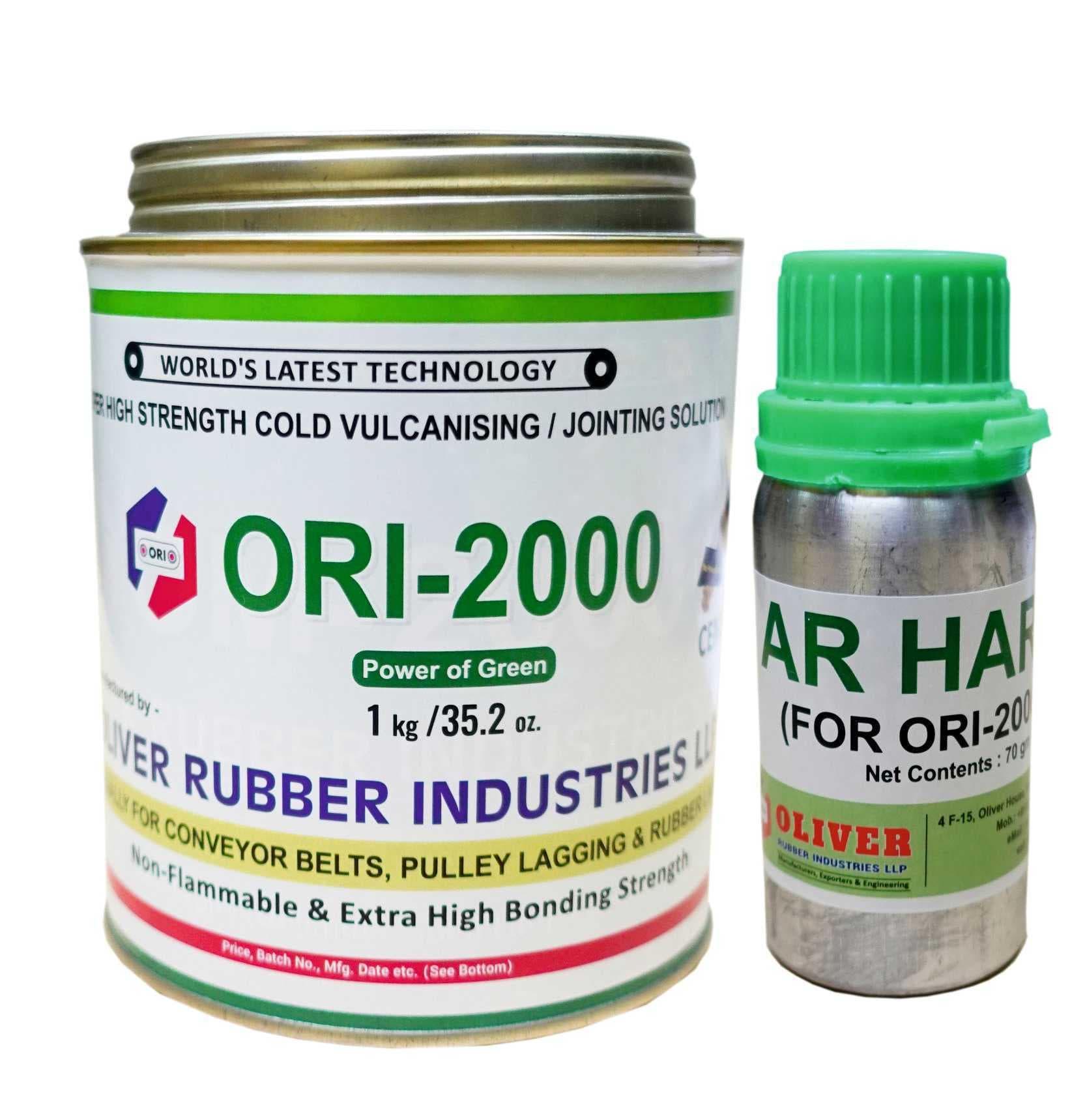
A replica of vulcanizing rubber cement OM 2000
Characteristic | Detail |
|---|---|
Product Name | ORI-2000 Vulcanizing Rubber Cement |
Similar Product | OM-2000 (top-selling cold vulcanizing rubber cement) |
Key Features | - Highest bonding strength for rubber-to-rubber, rubber-to-metal, and rubber-to-fabric Superior performance compared to market competitors |
Market Popularity | Best-selling in the USA and Canada for conveyor belt manufacturer with maintenance |
Composition | Gum Arabic or natural rubber with volatile solvents (toluene, acetone, benzene, chloroform, or heptane); water-based versions available with ammonia |
Application Method | Surface preparation required, consult with Hoffmeyer for the method |
Primary Applications | - Rubber Lining - Overlay/Coat of rubber sheets - Conveyor Belt Splicing, Jointing, and Repairing - Bonding Rubber to Metal, Rubber, and Fabric |
Specialty | Adapts quickly to weather conditions, especially effective in cold regions |
Effectiveness | Bonds with 100% effectiveness, increase conveyor belt life |
Industrial Use | - Automotive and medical supply industries Chemical manufacturing Shipbuilding and transportation Tool manufacturing |
Advantages of Super Glues | No special equipment is needed, strong bonding capacity |
Distribution | Available in the United States of America and Canada |
ORI-2000 is the highest-selling vulcanizing rubber cement for the repair and maintenance of conveyor belts in the United States of America and Canada. It's similar to our top-selling cold-vulcanizing rubber cement, OM-2000. This vulcanizing rubber cement possesses the highest bonding strength while jointing rubber-to-rubber, rubber-to-metal, and rubber-to-fabric material. It is better than all the similar products available on the market. A huge name in the manufacturing industry suggested the name "ORI-2000" for our world-famous solution "OM-2000," specifically for the industrial market in the United States of America.
Vulcanizing cement is a sticky substance used to stick pieces of rubber together. This glue is made from stretchy materials like gum arabic or natural rubber, which are mixed with liquids like toluene, acetone, benzene, chloroform, or heptane. When the liquid dries up, the materials become hard and make a strong connection between the rubber parts. There are also water-based vulcanizing cements that are mixed with ammonia to make them last longer.
Before you put two different kinds of rubber pieces together, you need to prepare them. This can be done by blasting them with sand, using high-pressure water to clean them, or applying certain chemicals. You should ask someone from Hoffmeyer which method is right for your job.
People use vulcanizing cement a lot to fix and take care of rubber tubes. It helps seal and protect parts in the car and medical supply industries, and it's important for making chemicals. Many people also use it to patch and seal their rubber tires.
Industrial glues, also known as super glues, dry pretty quickly and make a strong bond. They come in two types: industrial anaerobic glues and epoxy glues, depending on what they're made of. They also have different ways of drying: normal drying, UV drying, or heating.
People use industrial glues a lot in building ships and transportation, and when making tools that have rubber parts. These glues are strong, so they're also used at home, and you don't need special equipment to make them work.
The temperature in certain regions of the USA and Canada drops frequently in the winter, and the chances of conveyor belt breakdown increase extensively. ORI-2000 vulcanizing rubber cement adapts to weather conditions quickly and bonds the conveyor belt with 100% effectiveness while increasing the life of the belt.
A: Cold vulcanizing cement is a type of adhesive used primarily for bonding rubber products without the need for heat. It's a popular method for repairing conveyor belts and other rubber items, providing a strong bond between surfaces at room temperature.
Cold vulcanizing uses chemical agents to bond rubber materials, and it works at room temperature. Hot vulcanizing, on the other hand, involves the application of heat and pressure to bond rubber materials. While both methods offer strong bonds, cold vulcanizing is generally quicker and doesn't require specialized equipment.
Cold-vulcanizing cement provides:
1. Faster repair times, as no heat is needed.
2. The ability to bond various materials, like rubber-to-metal or rubber-to-fabric.
3. Less equipment, making it ideal for on-the-spot repairs.
4. A strong bond that is resistant to aging and corrosion.
While cold vulcanizing cement is versatile, it's essential to check the cold vulcanizing cement manufacturer's guidelines. Some types of rubber or specific conditions may require hot vulcanizing or another bonding method for optimal results.
The curing time varies based on the product and conditions, but most cold vulcanizing cements will set within a few hours. However, for the strongest bond, it's often recommended to wait 24 hours before putting the repaired item back into full use.
Always use cold vulcanizing cement in a well-ventilated area and avoid contact with the skin and eyes. Read and follow the manufacturer's safety guidelines. Ensure surfaces are clean and free of contaminants for the best bond.
ORI-2000 vulcanizing rubber cement is primarily used for rubber lining, overlaying rubber sheets, conveyor belt splicing, jointing, repairing, and bonding rubber to metal, rubber to rubber, and rubber to fabric.
A2: ORI-2000 adapts quickly to varying weather conditions and provides 100% effective bonding for conveyor belts. It helps increase the life of the belt, making it a reliable choice for regions experiencing temperature fluctuations.
Remember, always refer to the specific product's instructions when using cold vulcanizing cement for accurate and safe application. In conclusion, the ORI 2000 Vulcanizing Rubber Cement manufacturer is a trusted choice for rubber bonding and repair applications. With its high-quality formulation and superior bonding strength, ORI 2000 offers reliability and durability in various industrial and commercial settings. Trust ORI 2000 for seamless rubber repairs and dependable bonding solutions.
Related Products
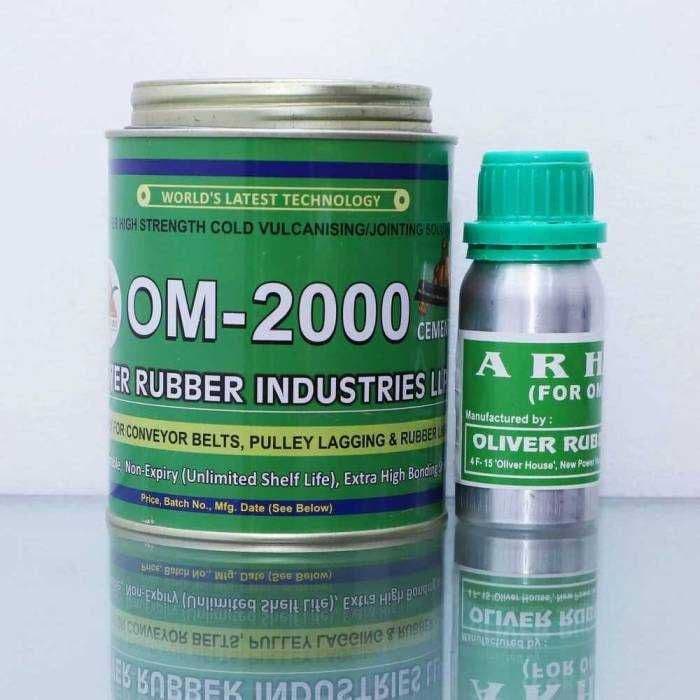 Cold Vulcanizing
Cold Vulcanizing Cement
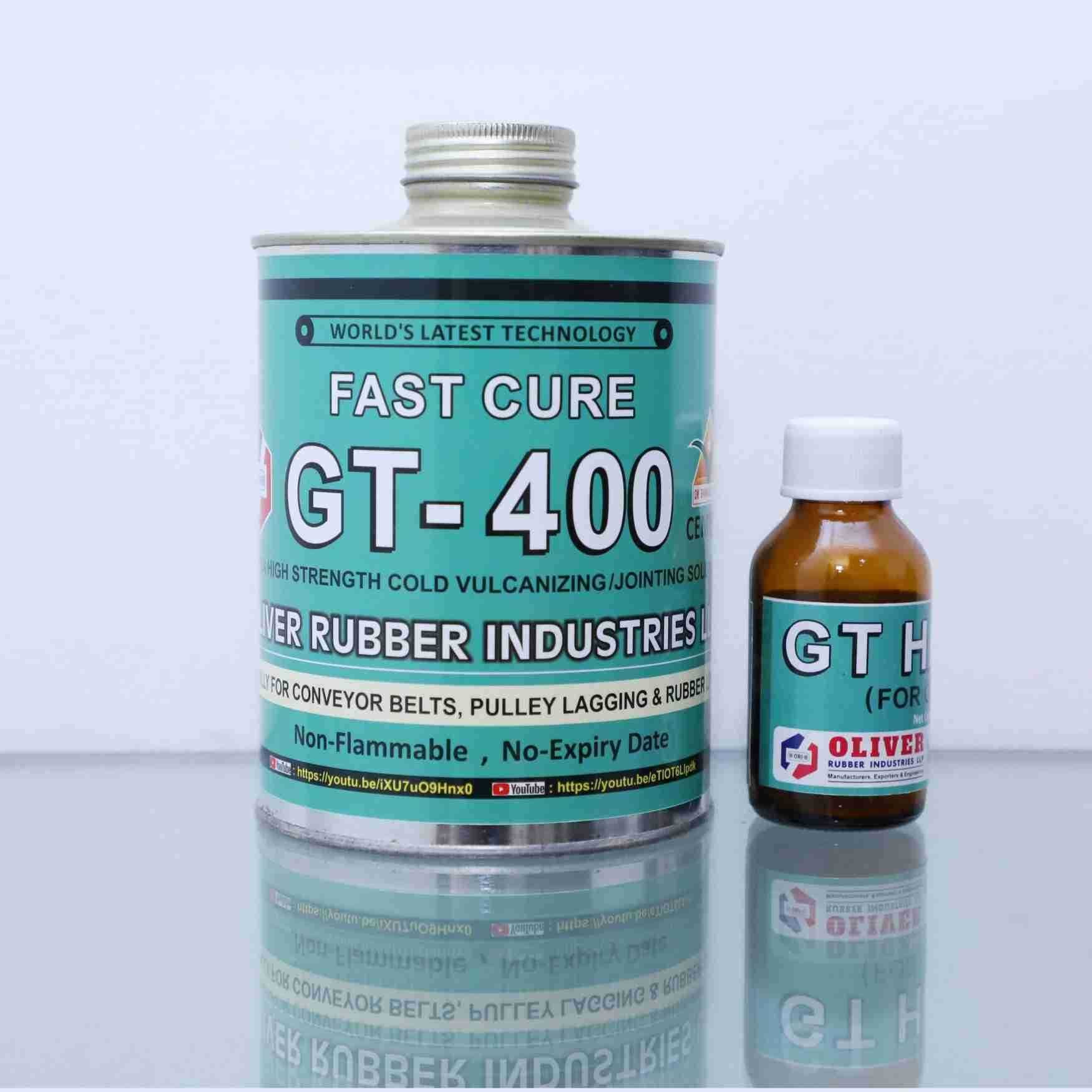 Cold Vulcanizing
Cold Vulcanizing Solution for quick belt splicing at an extremely low cost.
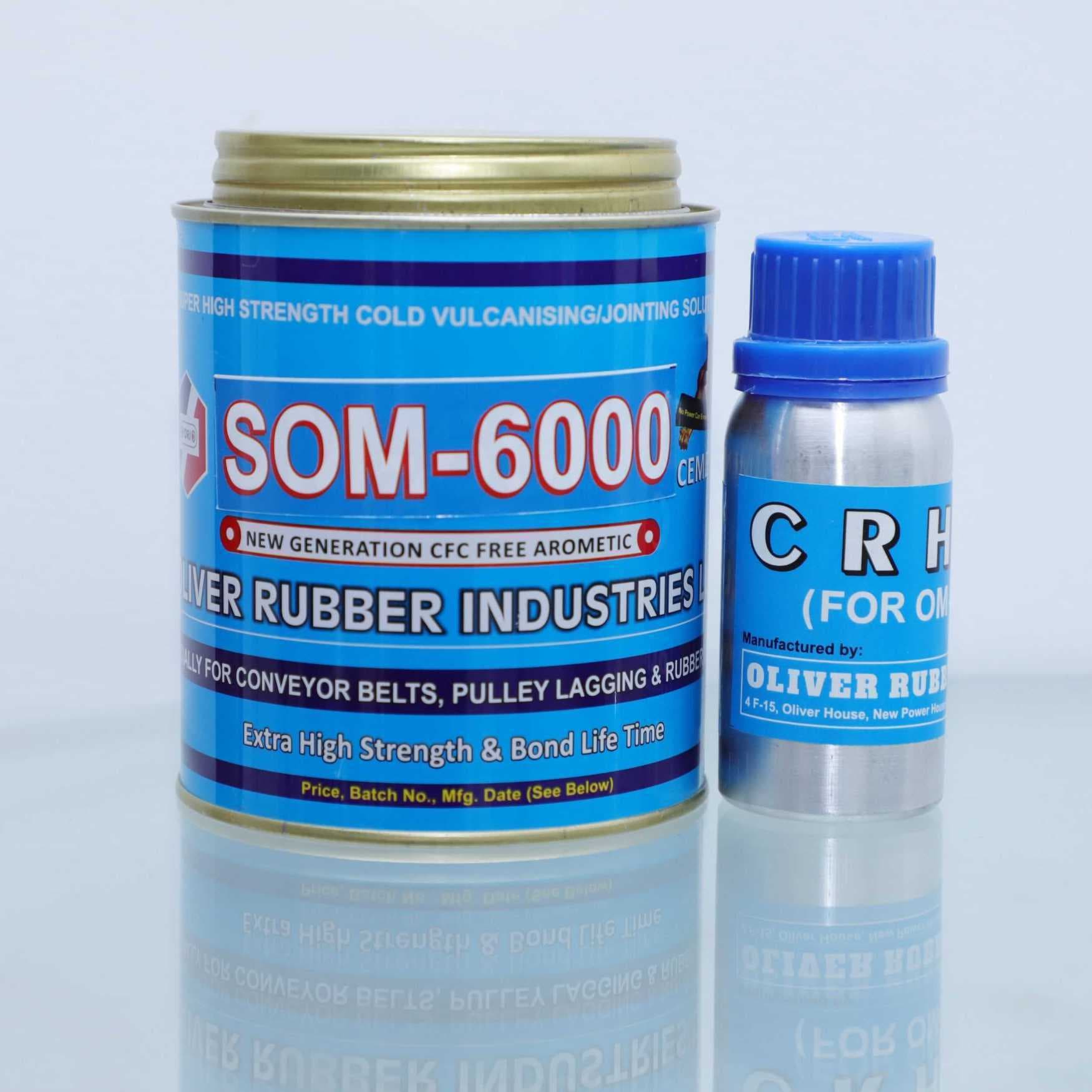 Cold Vulcanizing
Fast Curing, CFC Free Glue, Quick and Easy Repair for rubber conveyor belts, no more tools require...