Oct 26, 2023
In the world of conveyor belt repairs and splicing, cold vulcanizing is a common technique used to bond two surfaces or edges together. It's an alternative to the traditional hot vulcanizing. This article delves into what cold vulcanizing solution with hardener is, its benefits, and its application process, all in simple language for easy understanding.
Topic | Description |
|---|---|
Cold Vulcanizing | A process used to bond materials together at room temperature using special adhesives or solutions without heat. |
Cold Vulcanizing Solution with Hardener | A liquid adhesive mixed with a hardener to create a strong, durable bond between rubber surfaces without heating. |
Benefits | No heating required, versatile on various materials, creates a durable bond, cost-effective compared to hot vulcanizing. |
Application Process | Surface preparation, mixing solution with hardener, even application,bonding the surfaces together, curing, and testing. |
Materials Suitable for Bonding | Rubber-to-rubber, rubber-to-fabric, rubber-to-steel, fabric-to-fabric. |
Curing Time | Typically between 24 to 48 hours, depending on manufacturer's instructions. |
Conveyor Belt Repairs | Commonly used for conveyor belt repairs and splicing due to its strong bonding capabilities. |
Safety Precautions | Follow manufacturer's guidelines and wear appropriate protective gear. |
DIY Suitability | User-friendly for DIY enthusiasts as well as professionals in the conveyor belt industry. |
Vulcanizing is a process used to bond two or more pieces of rubber or other materials together. There are mainly two types of vulcanizing processes - hot and cold. While hot vulcanizing involves the use of heat, cold vulcanizing, as the name suggests, is done at room temperature using special adhesives or solutions.
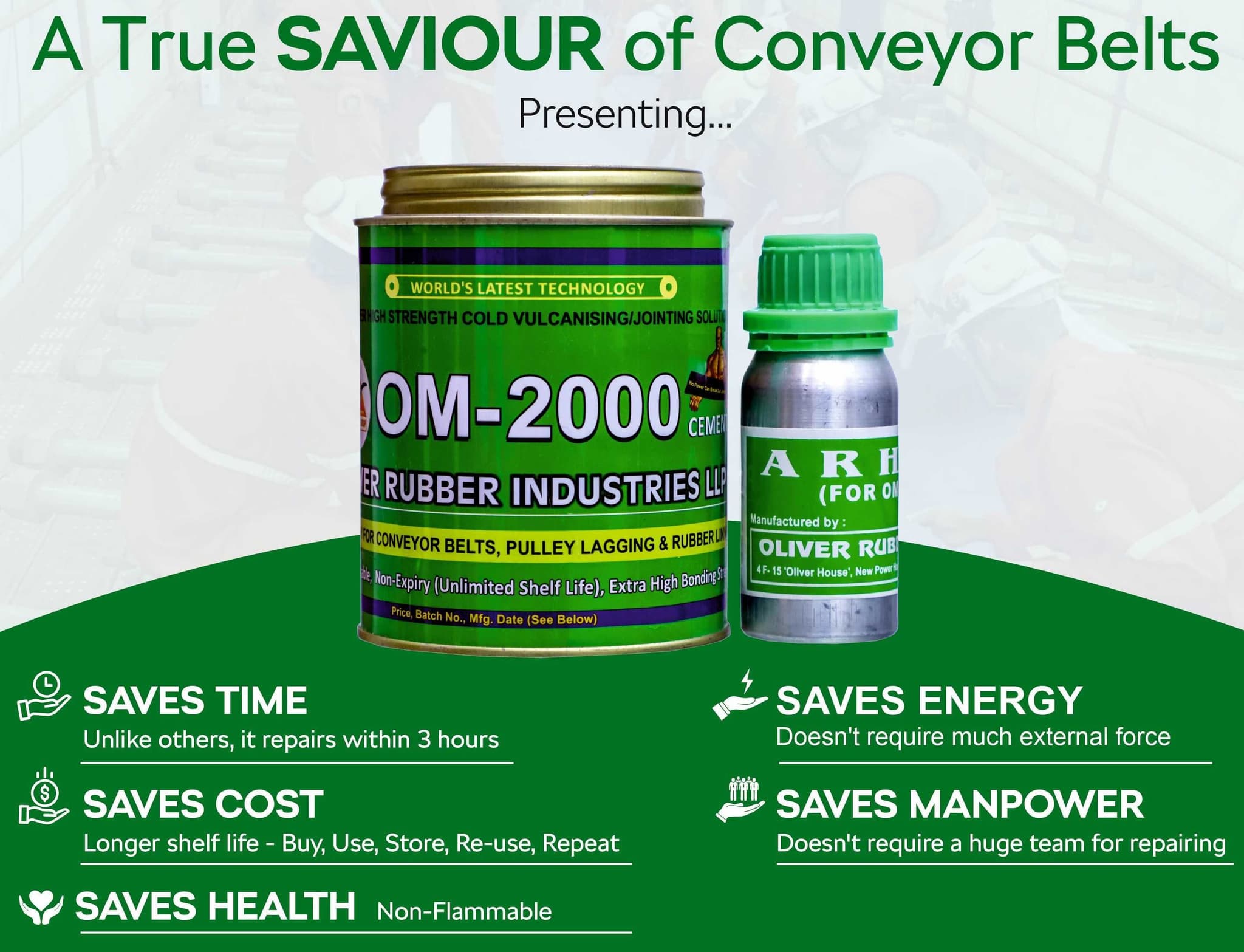
Cold vulcanizing solution, when combined with a hardener, creates a potent adhesive. This adhesive is then used to bond rubber surfaces without the need for heating. The hardener ensures that the bond is strong and durable.
* Cold Vulcanizing Solution: It's a liquid adhesive that's specially designed for rubber-to-rubber, rubber-to-fabric, rubber-to-steel, and fabric-to-fabric bonding.
* Hardener: This is an agent added to the solution to enhance the adhesive properties and ensure a long-lasting bond.
1. No Heating Required: Unlike hot vulcanizing, cold vulcanizing does not require any heating equipment, making the process simpler and safer.
2. Versatile: It can be used on a wide range of materials, including rubber, fabric, and steel.
3. Durable: When done correctly, cold vulcanizing can create a bond that's just as strong, if not stronger, than hot vulcanizing.
4. Cost-effective: The process is generally less expensive than hot vulcanizing because it requires fewer resources and equipment.
1. Surface Preparation: Ensure that the surfaces to be bonded are clean, dry, and free of any oils or contaminants. You can use a brush or a cloth for cleaning.
2. Mixing: Mix the cold vulcanizing solution with the hardener as per the manufacturer's instructions. Ensure that the mixture is consistent and free of lumps.
3. Application: Apply the mixture evenly to both surfaces using a brush or spatula. Make sure to cover the entire area where the bond is desired.
4. Bonding: Press the two surfaces together, ensuring there are no air bubbles trapped between them. Use a roller or similar tool to press firmly.
5. Curing: Allow the bond to cure for the recommended time. This can vary based on the manufacturer's instructions, but typically it's between 24 to 48 hours.
6. Testing: After the curing period, test the bond to ensure it's strong and secure.
Cold vulcanizing solution with hardener offers a reliable and efficient method for bonding various materials. It's a user-friendly process that can be mastered with a bit of practice. Whether you're a professional in the conveyor belt industry or a DIY enthusiast, understanding this technique can be immensely beneficial.
Note: Always refer to the manufacturer's guidelines when using cold vulcanizing solutions with hardeners, and always ensure safety precautions are followed.
Cold vulcanizing is a process of bonding two or more pieces of rubber or other materials together at room temperature using special adhesives or solutions, without the need for heat.
The hardener enhances the adhesive properties of the cold vulcanizing solution, ensuring a strong, durable bond between the materials.
The benefits include no need for heating equipment, versatility in bonding different materials, durability of the bond, and cost-effectiveness compared to hot vulcanizing.
The solution can be used to bond rubber-to-rubber, rubber-to-fabric, rubber-to-steel, and fabric-to-fabric.
The process includes surface preparation, mixing the solution with the hardener, applying the mixture to the surfaces, pressing the surfaces together, curing, and testing the bond.
The curing time can vary based on the manufacturer's instructions, but it is typically between 24 to 48 hours.
Yes, it is a common technique used in the conveyor belt industry for repairs and splicing.
Always refer to the manufacturer's guidelines and ensure that all safety precautions are followed, including wearing appropriate protective gear.
When done correctly, cold vulcanizing can create a bond that is just as strong, if not stronger, than hot vulcanizing.
Yes, the process is user-friendly and can be used by DIY enthusiasts, as well as professionals in the conveyor belt industry.