Mar 15, 2023
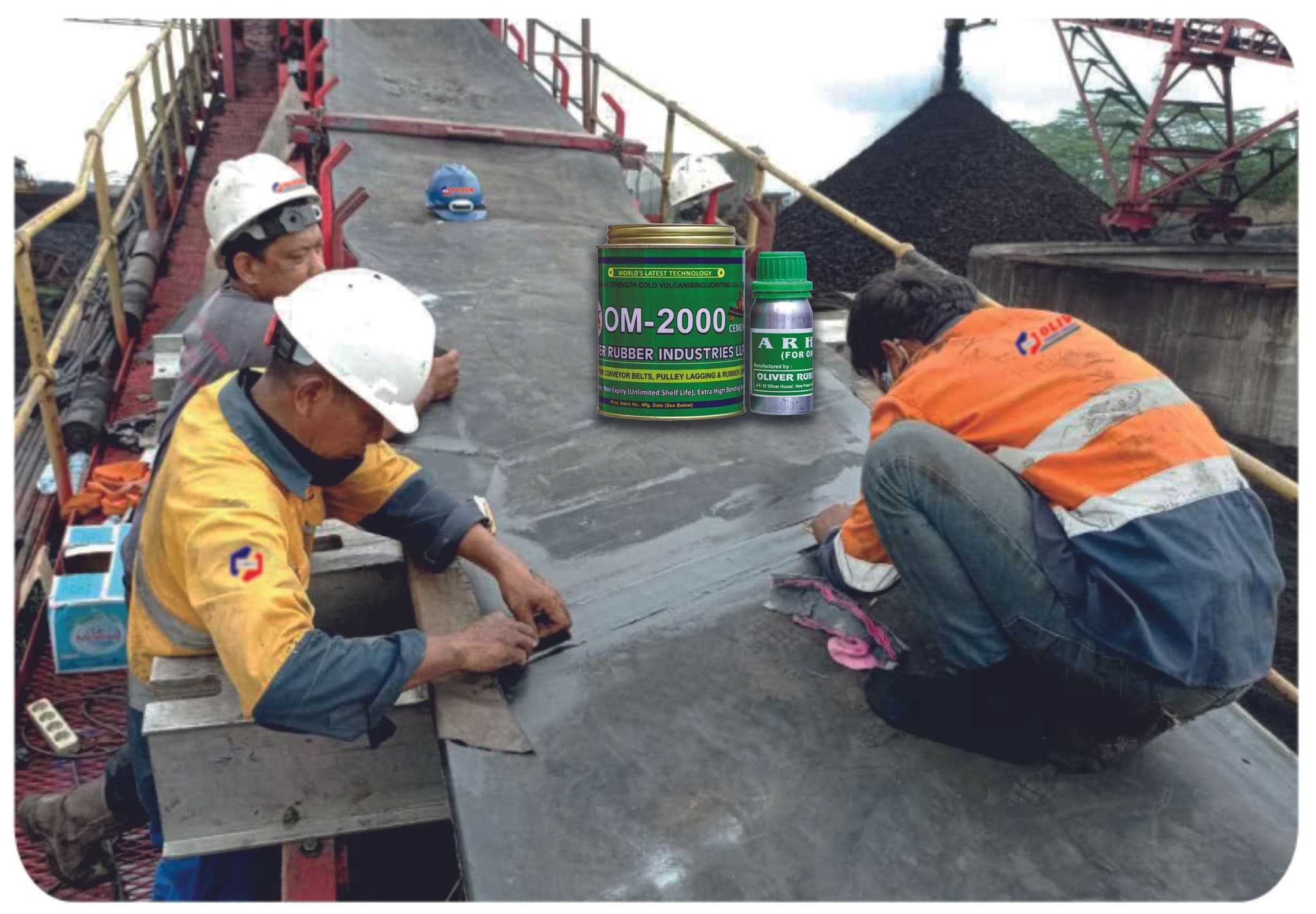
I-Bond Ezee is the latest innovation done by Oliver Rubber Industries LLP. It completely fixes the holes, abrasion, wear, and tear that occur in the belt conveyor. In today's fast-paced industrial landscape, conveyor belts play a critical role in facilitating efficient material handling and production processes. However, wear and tear is inevitable, leading to the need for timely repairs to minimize downtime and maintain operational continuity. Fortunately, advancements in technology have ushered in a new era of innovation, offering cutting-edge solutions for belt repair. In this article, we'll explore the latest innovations in belt repair techniques and products, revolutionizing the way industries address conveyor belt maintenance challenges.
In the ever-evolving landscape of industrial machinery and equipment, innovations play a crucial role in enhancing efficiency, reducing downtime, and optimizing performance. One area that has seen significant advancements in recent years is belt repair solutions. From conveyor belts in manufacturing plants to drive belts in automotive engines, the need for reliable and efficient belt repair methods has never been greater. In this article, we'll explore some of the latest innovations in belt repair technology, highlighting their benefits and applications across various industries.
Innovative adhesive formulations have revolutionized belt repair processes, offering stronger bonds, faster curing times, and enhanced durability. These advanced adhesives are designed to withstand extreme temperatures, chemicals, and mechanical stress, ensuring long-lasting repairs that withstand the rigors of industrial operations.
Emerging self-healing materials have introduced a new dimension to belt repair technology. These materials contain microcapsules of healing agents that rupture upon damage, allowing the material to self-repair cracks or tears automatically. This innovative approach minimizes the need for manual intervention and extends the lifespan of belts, resulting in significant cost savings for businesses.
Laser welding techniques have gained traction as a precise and efficient method for repairing belts with intricate designs or complex geometries. By using focused laser beams to melt and fuse belt materials together, laser welding offers high precision, minimal heat distortion, and superior bond strength compared to traditional welding methods. This technology is particularly well-suited for repairing belts in automotive, aerospace, and manufacturing applications.
The latest belt repair solutions enable faster turnaround times, minimizing downtime, and maximizing productivity for businesses. With quick curing adhesives, self-healing materials, and efficient welding techniques, belt repairs can be completed swiftly, allowing operations to resume without prolonged interruptions.
By ensuring reliable belt repairs, the latest innovations in belt repair technology contribute to enhanced safety in industrial environments. Well-maintained belts reduce the risk of unexpected failures and accidents, protecting workers and equipment from harm. This proactive approach to maintenance promotes a safer work environment and fosters a culture of safety within organizations.
Investing in the latest belt repair solutions offers long-term cost savings for businesses. By extending the lifespan of belts and minimizing the need for frequent replacements, innovative repair technologies help reduce maintenance costs and improve overall operational efficiency. Additionally, the enhanced reliability of repaired belts reduces the likelihood of costly downtime and production losses.
Innovations in belt repair technology continue to drive progress in the industrial sector, offering improved efficiency, safety, and cost-effectiveness for businesses worldwide. From advanced adhesives to self-healing materials and laser welding techniques, the latest belt repair solutions provide versatile options for addressing a wide range of repair needs. By embracing these innovations, businesses can optimize their maintenance processes, minimize downtime, and maximize the lifespan of their equipment, ensuring sustainable success in today's competitive marketplace.
A: Yes, the latest belt repair solutions are designed to be compatible with a wide range of conveyor belt materials, including rubber, PVC, nylon, and steel.
A: The repair time for self-healing materials varies depending on the severity of the damage and environmental conditions. In most cases, minor damage can be repaired within minutes to hours, while more extensive damage may require longer repair times.
A: Yes, laser welding techniques can be adapted to suit the specific requirements of heat-sensitive belt materials. By adjusting laser parameters such as power, pulse duration, and frequency, heat input can be minimized to prevent damage to delicate materials.
A: Many of the latest belt repair solutions utilize environmentally friendly materials and processes, aligning with sustainability goals and regulatory requirements. Additionally, by extending the lifespan of belts and reducing the need for replacements, these solutions contribute to resource conservation and waste reduction.