
Sep 23, 2023
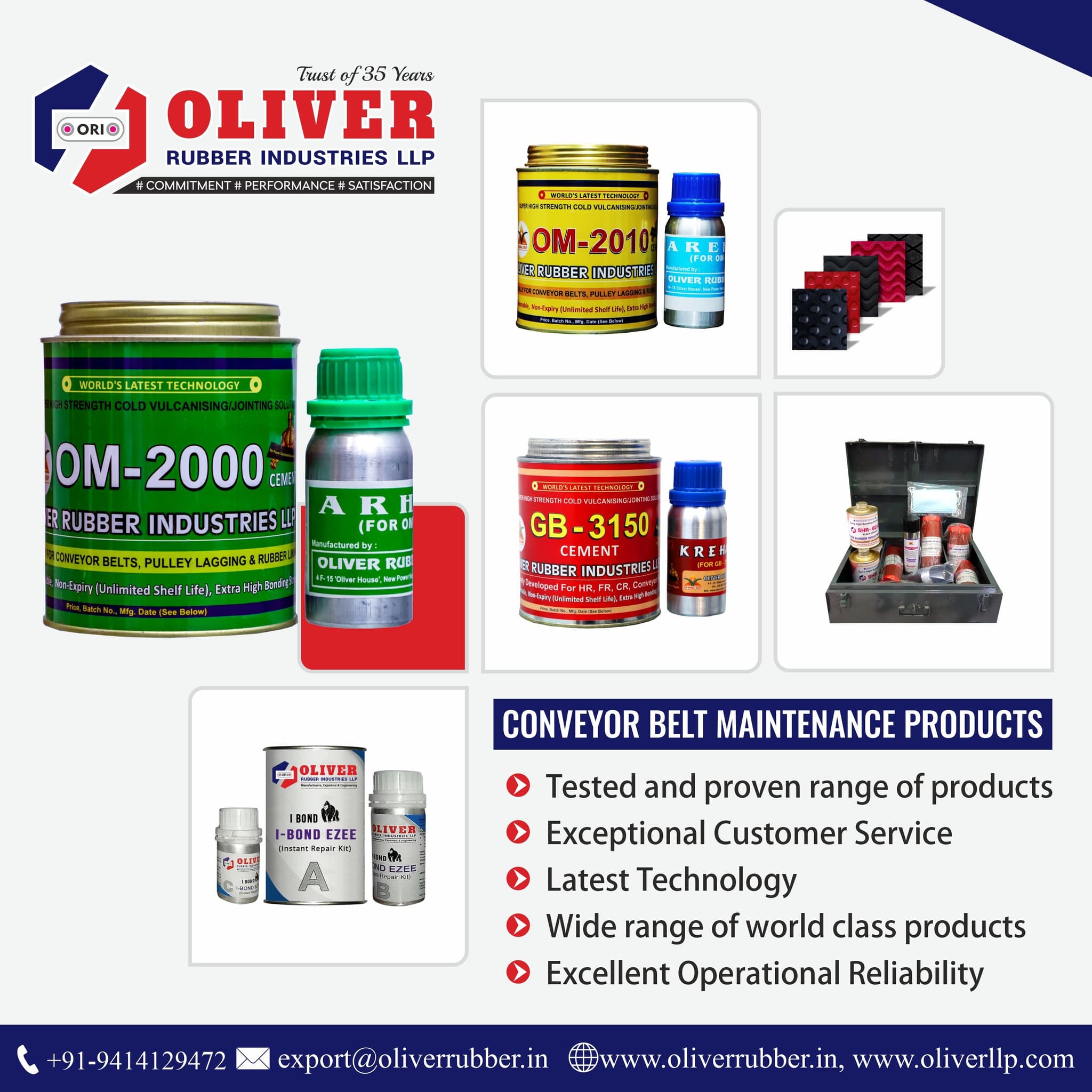
Hello! Have you ever wondered about the glue or adhesive used to stick rubber parts together? One such magical adhesive is called "Cold Vulcanizing Fluid." Let's dive into it with simple words! Welcome to our latest blog post! Today, we'll be delving into the fascinating world of cold vulcanizing fluid. As an essential component in conveyor belt maintenance and repair, cold vulcanizing fluid plays a crucial role in ensuring the longevity and efficiency of conveyor systems across various industries.
Cold Vulcanizing Fluid is like a special glue. It is used to stick together things made of rubber. It's like how we use normal glue to stick paper together, but this one is for rubber!
Cold Vulcanizing Fluid | |
|---|---|
Introduction | A simple explanation of what Cold Vulcanizing Fluid is and why it's used. |
What is Cold Vulcanizing Fluid? | A special adhesive used for bonding rubber materials without the need for heat. |
Why "Cold" Vulcanizing? | It's called "cold" because it doesn't require heat to bond rubber, unlike "hot" vulcanizing. |
How does it work? | The fluid softens rubber for molding; when it dries, it hardens and creates a strong bond. |
Why use Cold Vulcanizing Fluid? | It is safer than hot methods, easier to use, and creates a strong, lasting bond. |
How to use it? |
|
Conclusion | Cold Vulcanizing Fluid is a safe, simple, and strong solution for bonding rubber. |
There are two main ways to stick rubber: hot and cold. Hot involves heat and can be a bit complicated. Cold Vulcanizing Fluid, on the other hand, doesn't need heat. It's easy to use and does the job without making things hot. That's why it's called "cold."
When you put Cold Vulcanizing Fluid on rubber, it makes the rubber soft. When the fluid dries up, the rubber becomes hard again and sticks together. Think of it like when we wet clay to mold it and then let it dry to keep its shape. The fluid acts like the water for the clay, but for rubber.
Alright, let's chat more about why someone would choose to use Cold Vulcanizing Fluid. Here are the big reasons, broken down so everyone can get it!
Nobody likes getting hurt, right? Well, using Cold Vulcanizing Fluid is safer because there’s no heat involved. Imagine trying to cook something without a stove. When there's no fire, there's less chance you'll burn your fingers. In the same way, without heat, Cold Vulcanizing Fluid reduces the risk of burns or other heat-related accidents. So, it’s kind of like a safer way to glue rubber.
Some things are just too complicated. Like those gadgets with too many buttons or those toys that take hours to put together. But not Cold Vulcanizing Fluid! This one’s super easy. It’s like using regular glue. You don’t need big machines, fancy tools, or a degree in science to use it. Just put it on, press the rubber pieces together, and wait. That's all! It’s like sticking a sticker on your notebook.
Do you know how best friends hold hands and never let go? Cold Vulcanizing Fluid makes rubber pieces stick together in a similar tight bond. Once they’re stuck, they really stay together. It’s so strong that you might forget they were ever two separate pieces. It's like when two best friends are so close, that people think they're siblings!
So, when you think about it, using Cold Vulcanizing Fluid makes a lot of sense. It's safe, easy, and sticks things super tight. If rubber had feelings, it'd probably be thankful for this amazing fluid.
Hello again, friends! Today, let's learn how to use Cold Vulcanizing Fluid in an easy and fun way. No complicated steps here, just simple stuff. Ready? Let's go!
First things first. Before you start anything, make sure the rubber pieces you want to join are clean. It’s like washing your hands before eating. Dirt or other stuff on the rubber might stop the fluid from working its magic. So, give them a good clean. Think of it like preparing a canvas before painting. The cleaner the rubber, the better!
Now, grab your Cold Vulcanizing Fluid. Imagine it's like your favorite sauce. Don't pour the whole bottle, just enough to cover the area you want to stick. Spread it nicely over the rubber pieces. Remember, not too little, not too much, just right!
Here comes the fun part. Take the two rubber pieces and press them together, like a high-five! Make sure they're touching everywhere the fluid is. It's a bit like putting two slices of bread together to make a sandwich.
This is the hardest part – waiting. After sticking, give it some time to dry. It's like waiting for paint to dry or waiting for cookies to bake. Once it's dry, the bond becomes super strong, and those rubber pieces won’t want to let go of each other! They'll be best friends forever.
Using Cold Vulcanizing Fluid is as easy as 1, 2, 3...4! It’s simple, fun, and effective.
Always be careful when using any adhesive. Read the instructions. And keep it away from children.
Cold Vulcanizing Fluid is like magic glue for rubber. It's safe, easy, and makes a strong bond. Whether you're fixing shoes, belts, or any rubber item, this fluid can be very helpful. Remember to use it with care and enjoy the wonders of simple solutions!
*We hope this guide was easy to understand. Always remember, simple words can explain big things!*
Cold vulcanizing fluid is a unique adhesive designed specifically for bonding rubber materials. Unlike other glues that require heat or pressure, this fluid works effectively at room temperature.
It starts by evaporating its liquid components upon application. As this happens, the rubber components harden, ensuring a solid bond. This process is termed "curing."
- Repairing conveyor belts.
- Joining rubber parts.
- Shielding machinery with rubber.
- Reinforcing pulleys.
- Preventing spillages in conveyor systems.
- Quick action.
- Durability.
- Cost-efficiency.
- Versatility.
- Some types are environmentally friendly.
- Prep the rubber surfaces.
- Apply evenly on both surfaces.
- Allow it to set without disturbances.
- Always prioritize safety.
- Store as per recommended guidelines.
- Rubber compatibility.
- The intended environment of use.
- Required bond strength.
- Safety standards adherence.
- Brand reputation.
No. Cold vulcanization operates at room temperature, whereas hot vulcanization demands high heat and pressure.
While it works with numerous rubber types, always check its compatibility with the specific rubber in use.
Shelf life varies. Always refer to the product label or instructions for optimal storage recommendations.
When used with caution and following safety guidelines, yes. Ensure a well-ventilated workspace and wear protective gear.
Some types can handle extreme conditions but always refer to the product label to confirm.
In summary, Cold Vulcanizing Fluid is a specialized adhesive for rubber bonding. It offers a myriad of benefits such as speed, durability, and versatility. As with any product, always ensure safety, proper usage, and storage for optimal results.
Cold vulcanizing fluid is a useful glue that helps stick rubber things together without needing heat. It's quick, long-lasting, and good for the environment. You can use it for all sorts of rubber jobs, from fixing belts to protecting machines. By following safety rules and choosing the right glue for your needs, you can make your projects successful and durable.