Nov 16, 2023
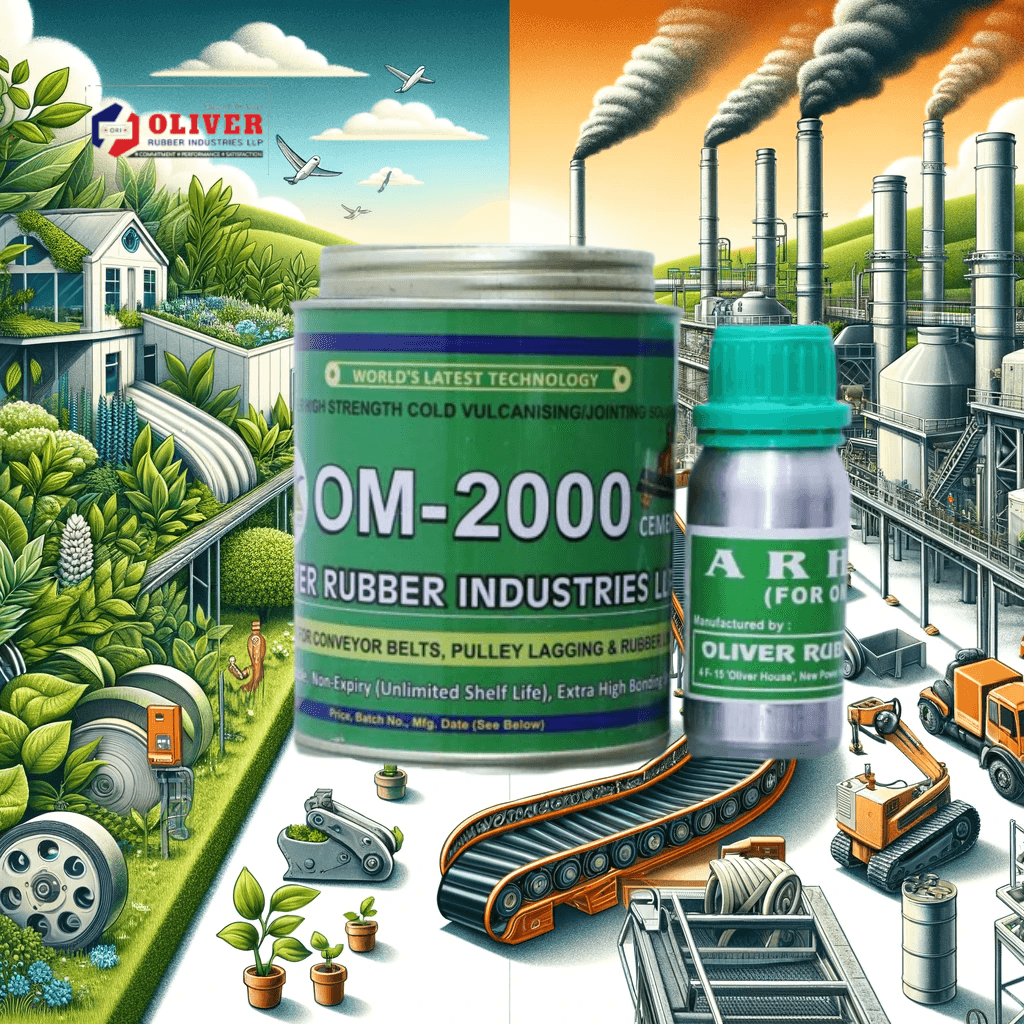
Understanding Cold Vulcanizing OM 2000 Cement Cold vulcanizing is a process used in repairing and joining conveyor belts in various industries. Unlike hot vulcanizing, it doesn't require extreme heat. This method uses a cold vulcanizing solution that bonds the belt's ends together. Understanding its environmental impact is crucial for industries aiming to maintain eco-friendly practices.
Aspect | Cold Vulcanizing | Traditional Methods |
|---|---|---|
Energy Consumption | Low | High |
Emissions | Reduced | Higher |
Chemical Safety | Safer options are available | Often contains more harmful chemicals |
Waste Management | Easier and safer | Requires careful handling |
Worker Safety | Safer process | Risk of burns and heat-related injuries |
Environmental Impact of Cold Vulcanizing
One of the primary environmental benefits of cold vulcanizing is the significant reduction in energy usage. Unlike hot vulcanizing, which requires high temperatures, cold vulcanizing operates at room temperature, leading to lower energy consumption.
With no need for large heating equipment, cold vulcanizing reduces greenhouse gas emissions. This is especially important for minimizing the carbon footprint of industrial operations.
The adhesives used in cold vulcanizing are generally safer for the environment. Many manufacturers are focusing on developing solutions with lower volatile organic compounds (VOCs) and harmful chemicals.
Proper waste disposal of used adhesives and solutions is vital. Many cold-vulcanizing products are designed to be more environmentally friendly, but responsible disposal practices are still essential.
The health and safety of workers are significantly enhanced by cold vulcanizing. The process is less hazardous compared to hot vulcanizing, reducing the risk of burns and heat-related injuries.
Proper training in handling and applying cold-vulcanizing solutions is necessary. Awareness about environmental impacts and safety measures enhances sustainable practices in the workplace.
Ongoing research and development are focused on making cold vulcanizing even more environmentally friendly. Innovations in materials and techniques are continuously evolving to reduce the ecological footprint.
Cold vulcanizing presents a more environmentally friendly alternative to traditional methods. Its lower energy consumption, reduced emissions, and safer chemical usage make it an appealing choice for industries. As technology advances, we can expect even more eco-conscious solutions in the realm of conveyor belt maintenance and repair.
Cold vulcanizing is a process used for repairing and joining conveyor belts. It involves using a cold vulcanizing solution that bonds the belt's ends together without the need for extreme heat, unlike traditional hot vulcanizing methods.
Cold vulcanizing is environmentally friendly due to its lower energy consumption (as it operates at room temperature), reduced emissions (no need for large heating equipment), and safer chemicals (often with lower volatile organic compounds and harmful substances).
Cold vulcanizing is safer for workers as it poses a lower risk of burns and heat-related injuries compared to hot vulcanizing. The process is less hazardous, making it a preferable option in terms of workplace safety.
Yes, ongoing research and development in cold vulcanizing focuses on making it even more environmentally friendly. Innovations include developing solutions with more eco-conscious materials and techniques to further reduce the ecological footprint.
Cold vulcanizing makes waste management easier and safer. While many cold-vulcanizing products are designed to be more environmentally friendly, responsible disposal practices for used adhesives and solutions are still crucial.