Oct 16, 20238 min read
Author
Oliver Team
Primary Topic
cold vulcanizing solution guide to conveyor belt repairs
Record Source
Database
Deep Dive
Conveyor belts are the unsung heroes of many industries, silently doing their job, ensuring that goods move smoothly from one place to another. However, like all equipment, they need mainten...
Author
Oliver Team
Primary Topic
cold vulcanizing solution guide to conveyor belt repairs
Record Source
Database
Conveyor belts are the unsung heroes of many industries, silently doing their job, ensuring that goods move smoothly from one place to another. However, like all equipment, they need maintenance and repair. One of the most trusted methods of conveyor belt repair is through cold vulcanizing solutions. Let's explore this technique in detail, ensuring even those with basic English can understand.
Cold Vulcanizing Solution Guide to Conveyor Belt Repairs | |
|---|---|
Introduction | Cold vulcanizing is a method to bond surfaces or objects without heat. It's used for joining or repairing conveyor belts with a specific adhesive. |
Advantages |
|
Spotlight on Brand | OM 2000 is known for its long-lasting bond, user-friendly application, and quick setting time. |
Application Steps |
|
When we talk about cold vulcanizing, we are essentially discussing a method to bond two surfaces or objects together without the use of heat. In the realm of conveyor belts, this means joining two ends or mending a rupture in the belt using a specific adhesive. The magic lies in the solution itself, which allows a firm bond without the need for extensive equipment.
Historically, conveyor belt damages required a cumbersome process of hot vulcanization, which often meant transporting the belt to a workshop, a delay in operations, and more expenses. Enter cold vulcanizing solutions.
Cold vulcanizing allows industries to:
1. Repair On-Site: There’s no need to dismantle and transport the belt. Repairs are done where the belt is.
2. Minimize Downtime: Operations can resume much quicker compared to other methods.
3. Ensure Longevity: If done right, the bond is durable, extending the life of the conveyor belt.
1. Brand OM 2000: Renowned for its long-lasting bond and user-friendly application.
2. Brand OM 2000: Quick setting time makes it a favorite for those needing rapid repairs.
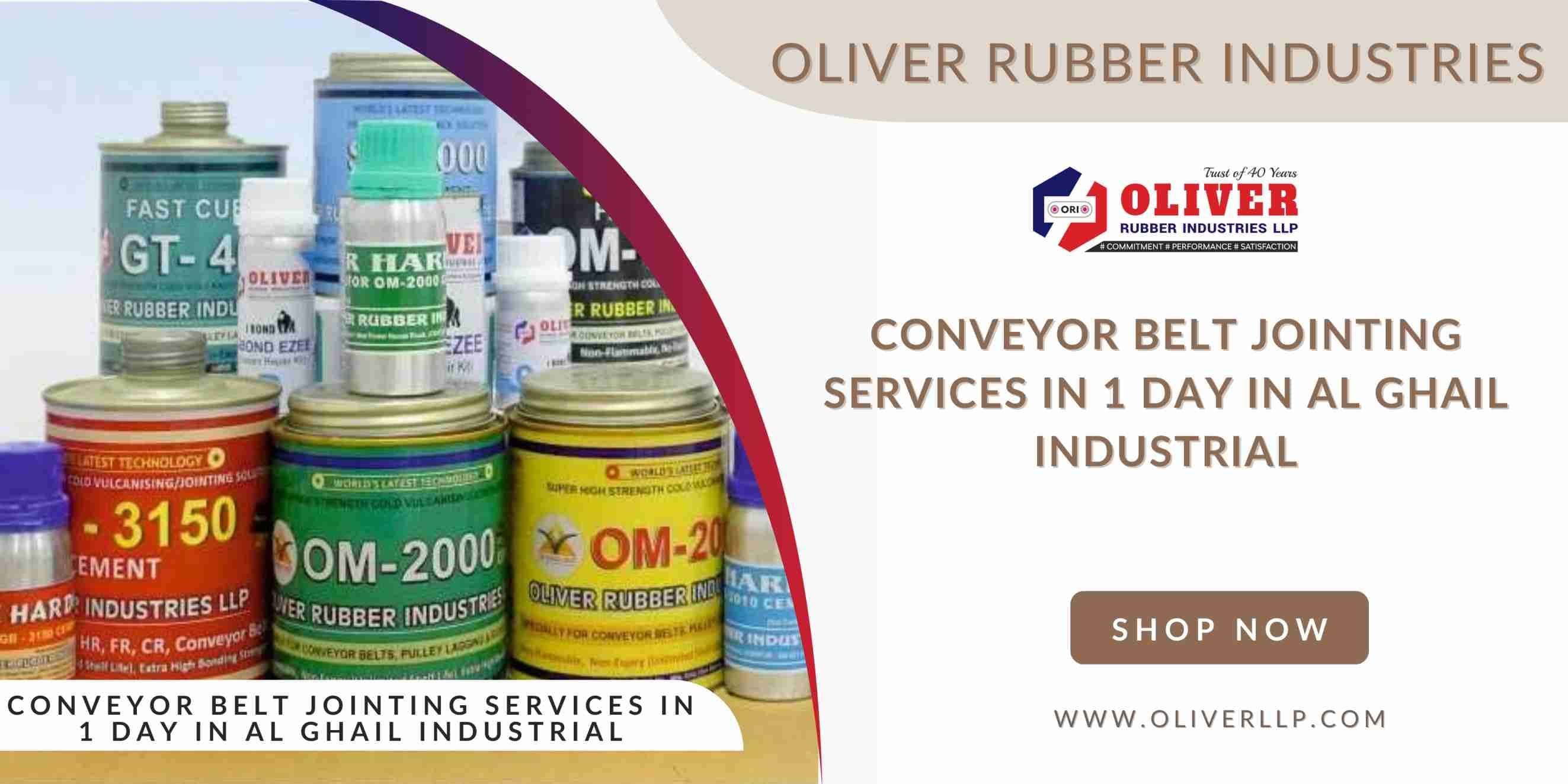
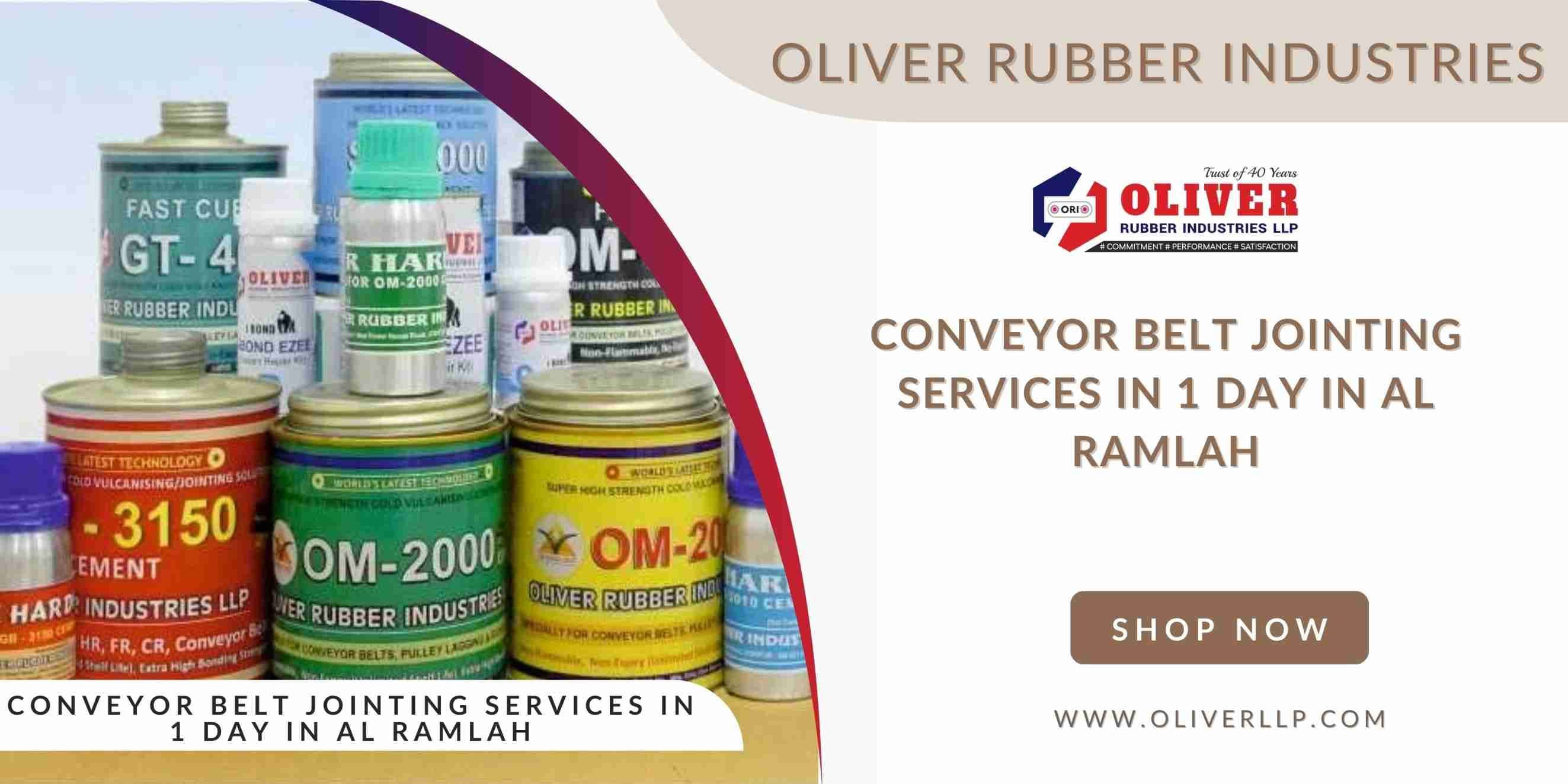
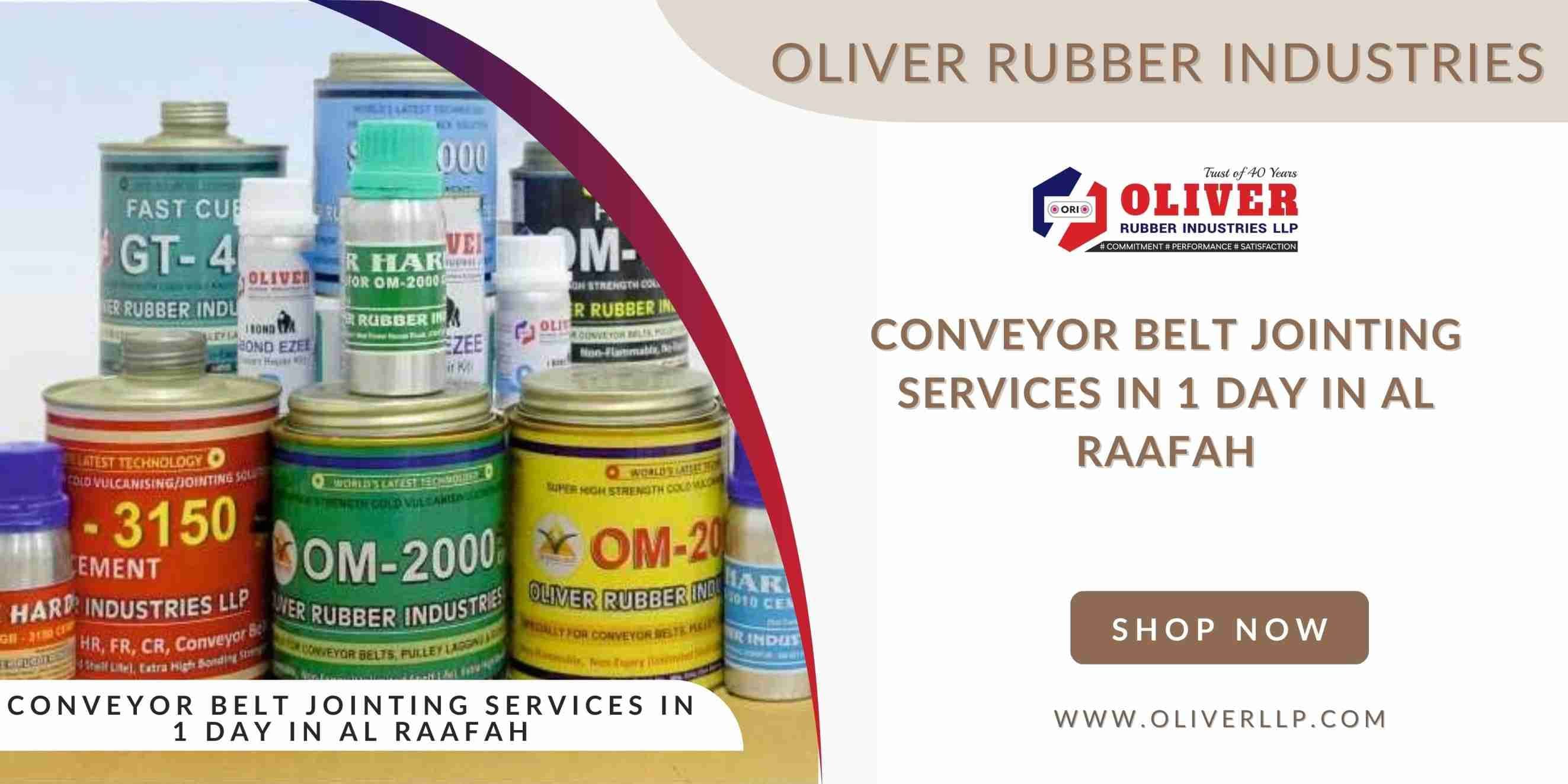
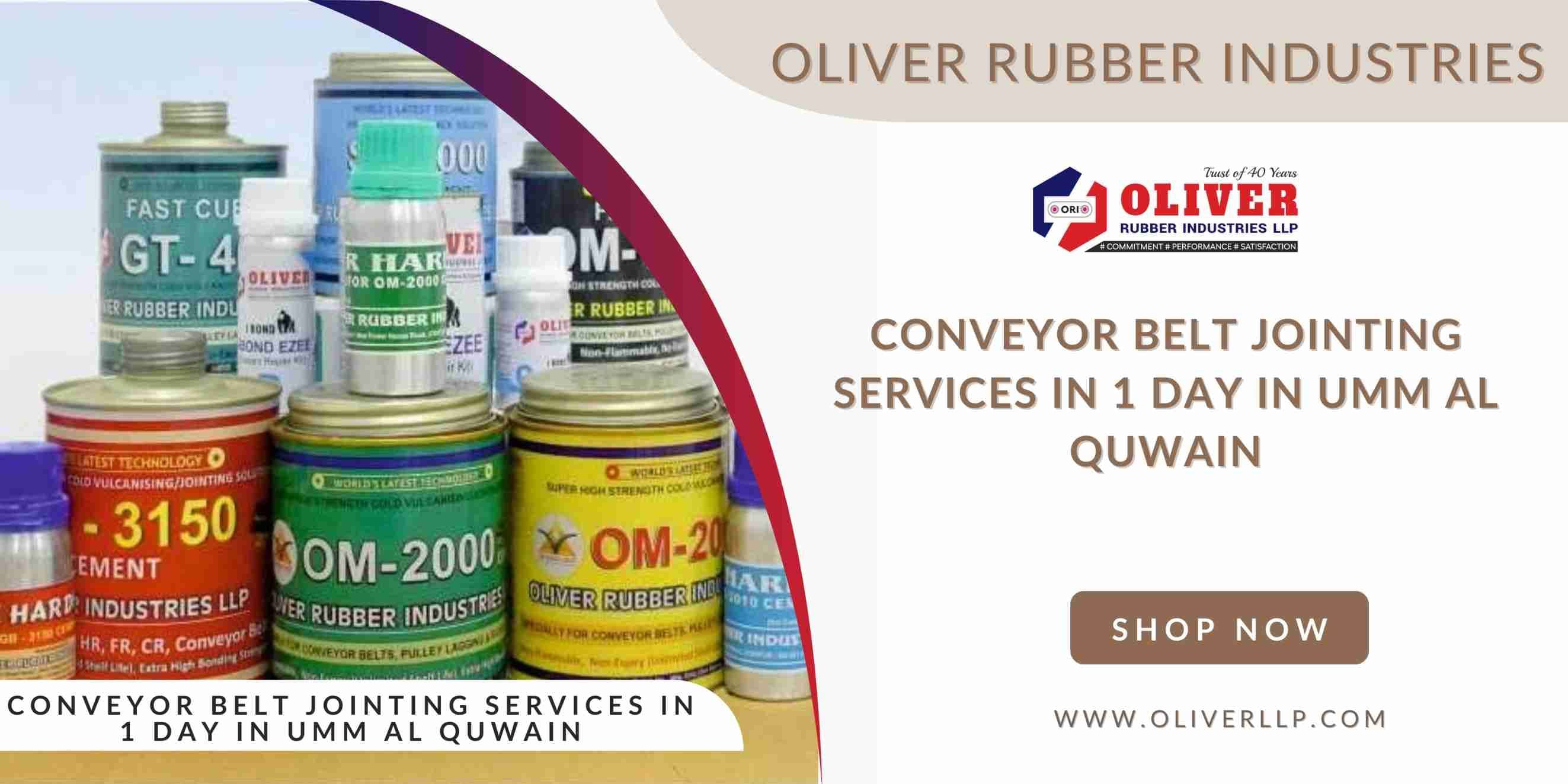
3. **[OM 2000](https://oliverllp.com/product-details/om-2000-cold-vulcanizing-rubber-cement)**: A highly reputed solution in the market, OM 2000 stands out for its superior bonding strength and reliability. Many industries trust it for its consistent performance.
4. Brand OM 2000: Chosen for its environment-friendly ingredients.
While applying a cold vulcanizing solution may initially seem intricate, following these steps ensures a solid bond:
1. Clean: Begin by cleaning the surface of the conveyor belt. Any dust, oil, or foreign particles can hinder adhesion.
2. Spread: Using a brush or spatula, uniformly spread the cold vulcanizing solution on the belt.
3. Bond: After application, firmly press the two belt ends or the patch together.
4. Wait: Allow the bond to dry thoroughly, which can range from a few hours to an entire day, depending on the solution and environmental conditions.
Choosing between cold and hot vulcanizing can often depend on the situation:
- Cold Vulcanizing
- No specialized equipment.
- Ideal for quick, on-the-spot repairs.
- Excellent flexibility during the repair process.
- Hot Vulcanizing
- Typically offers a more robust bond.
- Best for major repairs or joining long belt sections.
- Requires specific equipment and more extended preparation.
Cold vulcanizing conveyor belts come with a slew of benefits:
1. Cost Efficiency: You save on expensive equipment and expert services.
2. Time-saving: Quick repair times reduce operational downtimes.
3. Adaptable: Suitable for various conveyor belt materials, from rubber to PVC.
While cold vulcanizing solutions are game-changers, safety should always be paramount:
1. Always wear protective gloves and safety goggles.
2. Ensure adequate ventilation in the workspace.
3. Keep the solution out of children's reach.
4. Store away from extreme heat or cold.
Generally, cold vulcanizing solutions remain effective for 1-2 years. Ensure:
1. Storage in original containers.
2. Avoidance of extreme temperatures.
3. Proper sealing after use to prevent drying out.
Feeling hands-on? Here's a beginner-friendly guide to repairing a conveyor belt:
1. Inspect the Damage: Determine the damage type and extent.
2. Clean the Area: A clean surface ensures optimal adhesion.
3. Apply the Solution: Refer to our step-by-step guide above.
4. Wait it Out Patience is key. Wait for the bond to dry fully before operating the belt.
1. Check your local industrial hardware stores.
2. Explore online platforms, ensuring you validate sellers.
3. Consult with industry peers for their trusted brands and suppliers.
1. A clean surface is crucial. Don't skip this step.
2. Adhere strictly to the manufacturer's instructions.
3. In case of extensive damage, always consider professional advice.
In wrapping up, cold vulcanizing solutions are a boon for industries reliant on conveyor belts. They provide a blend of efficiency, cost-saving, and reliability. With brands like **[OM 2000]** leading the charge, businesses can now ensure longer conveyor belt lifespans with minimal disruptions.
Cold vulcanizing is a method used to bond two surfaces or materials together without applying heat. For conveyor belts, it means joining two ends or repairing a damaged section using a special adhesive.
The drying time can vary depending on the specific product and environmental conditions. Typically, it can range from a few hours to a whole day. Always refer to the product's instructions for accurate drying times.
While hot vulcanizing generally offers a stronger bond due to the fusion of rubber at high temperatures, cold vulcanizing provides a sufficiently durable bond for many applications, especially when done correctly using high-quality solutions like **[OM 2000]**.
Cold vulcanizing is versatile and works well for a variety of conveyor belt materials, including rubber and PVC. However, always check the product specifications and recommendations to ensure compatibility.
Yes. It's essential to work in well-ventilated areas, wear protective gear like gloves and goggles, and store the solution away from children. Moreover, always follow the safety precautions mentioned on the product label.
Cold vulcanizing solutions should be stored in their original containers, sealed tightly, and kept in a cool, dry place away from direct sunlight and extreme temperatures.
OM 2000 stands out for its exceptional bonding strength, consistency in performance, and reliability. Many industries trust it for conveyor belt repairs and joining due to its proven track record.
While cold vulcanizing solutions are versatile, it's best to apply them in dry conditions, away from direct water exposure, and ideally in temperatures recommended by the manufacturer.
Regular inspections, say monthly, are ideal to ensure the longevity and efficiency of conveyor belts. However, this can vary based on usage and the environment in which the conveyor operates.
Yes, apart from cold vulcanizing, there's hot vulcanizing and the use of mechanical fasteners. The choice depends on the damage extent, belt type, operational requirements, and budget.
These FAQs aim to address common concerns and questions users might have about cold vulcanizing solutions. For more specific inquiries, always refer to product manuals or consult with industry experts. In conclusion, mastering the art of cold vulcanizing solutions for conveyor belt repairs is essential for maintaining the efficiency and longevity of your conveyor system. By following the comprehensive guide provided, you're equipped with the knowledge and techniques necessary to tackle common conveyor belt issues effectively. Remember, prompt repairs using cold vulcanizing solutions can prevent costly downtime and ensure seamless operations in your facility. With proper application and adherence to safety protocols, you can extend the lifespan of your conveyor belts and optimize the performance of your entire production line. Harness the power of cold vulcanizing solutions to keep your conveyor system running smoothly and efficiently for years to come.
Feb 27, 2026