Oct 18, 2023
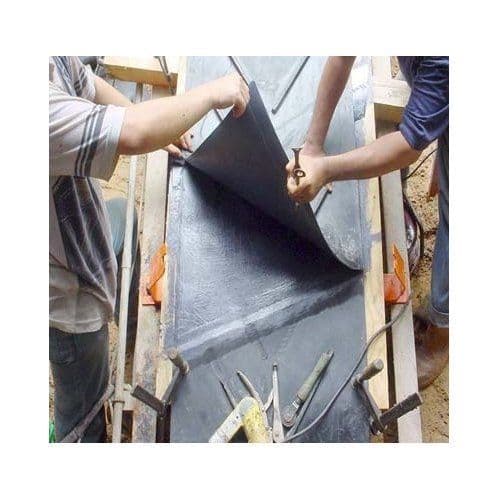
Conveyor belts are integral components in numerous industries, from mining to food processing. They help move materials or products from one point to another efficiently. However, like any equipment, they're susceptible to wear and tear, and sometimes, damage. This article delves into the nuances of conveyor belt repair, outlining the best practices to ensure longevity and optimal performance.
Aspect | Detail |
|---|---|
Common Conveyor Belt Issues | Tears, rips, edge fraying, joint wear, and stretched belt. |
Inspection: First Step in Repair | Routine checks for wear, misalignment, or damage. |
Repair Methods | Cold Vulcanization, Hot Vulcanization, Clipping. |
Best Practices for Conveyor Belt Repair | Ensure safety, clean area, choose the right method, use quality materials and post-repair inspection. |
When to Replace Instead of Repair | When the belt undergoes numerous repairs, is old, or causes recurrent issues. |
Conclusion | Understanding the problem, the right repair method and safety are key to optimal conveyor belt repair. |
To understand repair, it's crucial to identify the typical problems conveyor belts face:
- Tears and Rips: These can occur due to overloading or the presence of sharp objects.
- Edge Fraying: Often caused by misaligned conveyor systems.
- Joint Wear: Seen where two sections of the belt meet or are joined.
- Stretched Belt: This happens over time, especially if the belt is consistently loaded to its maximum capacity.
Before jumping into repair, always inspect the conveyor belt. Look for visual signs of wear, misalignment, or damage. It's a good practice to routinely check conveyor belts, even if no issues are evident, to ensure they're in top condition.
Several methods can be employed based on the extent and type of damage.
As discussed in a previous article, cold vulcanization doesn't rely on heat. Instead, it uses chemicals to repair the belt. It's ideal for small damages or when it's not feasible to apply heat to the entire system.
This involves using heat and pressure to repair the damaged section. It's a durable solution, especially for significant damages or joint wear.
In this method, metal clips are used to join two sections of the belt. It's a temporary solution, useful when immediate repair is needed, and other methods are not feasible.
Always ensure that the conveyor system is turned off and locked out before starting any repair work. This is to safeguard workers from accidental startups.
Before repairing, clean the damaged area to remove any debris, dust, or residues. This ensures that the repair materials adhere properly.
Not all damages are the same. Depending on the extent and type of damage, select the most appropriate repair method. Sometimes, a combination might be needed.
Always opt for high-quality repair materials. Whether it's the vulcanizing solution, patches, or clips, the quality will determine the durability of the repair.
After completing the repair, inspect the belt to ensure the issue has been addressed. Run the conveyor system to confirm the repair is holding up. v
While repairs can address many issues, there comes a time when replacing the belt is more economical and efficient. If a belt has undergone numerous repairs, is old, or is causing recurrent operational issues, it might be time for a replacement.
Conclusion
Conveyor belt repair is a blend of understanding the problem, choosing the right repair method, and ensuring safety throughout the process. Regular inspections and maintenance can prevent many issues, but when damages do occur, timely and effective repairs are essential. By following best practices, industries can ensure their conveyor systems operate optimally, reducing downtime and enhancing productivity.
- Conveyor belts often experience tears, rips, edge fraying, joint wear, and stretching due to various operational factors.
- Regular inspection helps in the early detection of wear, misalignment, or damage, allowing for timely repairs and reducing the risk of major operational disruptions.
- Cold vulcanization relies on chemicals and doesn't use heat, making it ideal for small damages or situations where heating isn't feasible. Hot vulcanization uses heat and pressure and is suitable for significant damage or joint wear.
- Clipping is a temporary solution that involves using metal clips to join two sections of the belt. It's useful for immediate repairs when other methods are not feasible.
- Always ensure the conveyor system is turned off and locked out before starting repair work to protect workers from accidental startups.
- After completing the repair, it's essential to inspect the belt visually and run the conveyor system to check if the repair holds up under operational conditions.
- Use high-quality repair materials, ensure the damaged area is clean before repair, and choose the appropriate repair method based on the type and extent of damage.
- If a belt has undergone numerous repairs, is old, or frequently causes operational issues, it might be more economical and efficient to replace it.
- Yes, depending on the damage's nature and extent, sometimes a combination of repair methods might be needed to address the issue effectively.
- The durability and effectiveness of the repair largely depend on the quality of the materials used. High-quality materials ensure that the repair lasts longer and the belt operates optimally.
By addressing these frequently asked questions, we hope to clarify the conveyor belt repair process, enabling industries to make informed decisions.