Sep 18, 20236 min read
Author
Oliver Team
Primary Topic
elevating conveyor performance the magic of pulley lagging
Record Source
Database
Deep Dive
When we chat about conveyor systems, there's this little superhero called "pulley lagging" that often doesn't get the credit it deserves. But let me tell you, it's a game-changer! In this es...
Author
Oliver Team
Primary Topic
elevating conveyor performance the magic of pulley lagging
Record Source
Database
When we chat about conveyor systems, there's this little superhero called "pulley lagging" that often doesn't get the credit it deserves. But let me tell you, it's a game-changer! In this essay, we'll dive into the world of pulley lagging solutions, answer your questions, and give you some neat tips to supercharge your conveyor system.
Elevating Conveyor Performance: The Magic of Pulley Lagging | |
|---|---|
What's Pulley Lagging All About? | Protective covering for conveyor pulleys, providing grip, protection, and operation efficiency. |
What's it made of? | Options include rubber lagging, ceramic lagging, grooved lagging, and slide lagging, each suited for different conditions. |
How thick should it be? | The thickness varies from 6mm to 15mm, depending on the conveyor's load, speed, and material type. |
Types of Pulleys | Different pulley types include drive pulleys, snub pulleys, and bend pulleys, each with a unique function in the conveyor system. |
Boosting Your Conveyor Game | Recommendations for maintenance, installation, material selection, belt tension checks, and dust control to optimize conveyor performance. |
Real-World Success: Case Studies | Examples of how rubber and ceramic lagging have solved slippage and durability issues in different industries. |
How Pulleys Play with Speed | Explains the role of pulley size, gear reduction, and variable frequency drives (VFDs) in controlling conveyor speed. |
Conclusion | Summarizes the importance of the right pulley lagging for maintaining and improving conveyor system performance. |
Picture this: pulley lagging is like a protective shield for the pulleys in a conveyor system. These pulleys are like the engines of the conveyor belt, and the lagging? Well, that's like their trusty armor. It does some pretty cool stuff:
Imagine having sneakers with amazing traction. Lagging helps the pulleys hold onto the belt tight, so it doesn't slide around.
Just like wearing a helmet for safety, lagging protects the pulleys from wear and tear, making sure they last longer.
Some types of lagging materials are like secret agents; they reduce dust and keep things quieter, making your workplace more comfortable.
The material for pulley lagging depends on what your conveyor system needs. Check out these options:
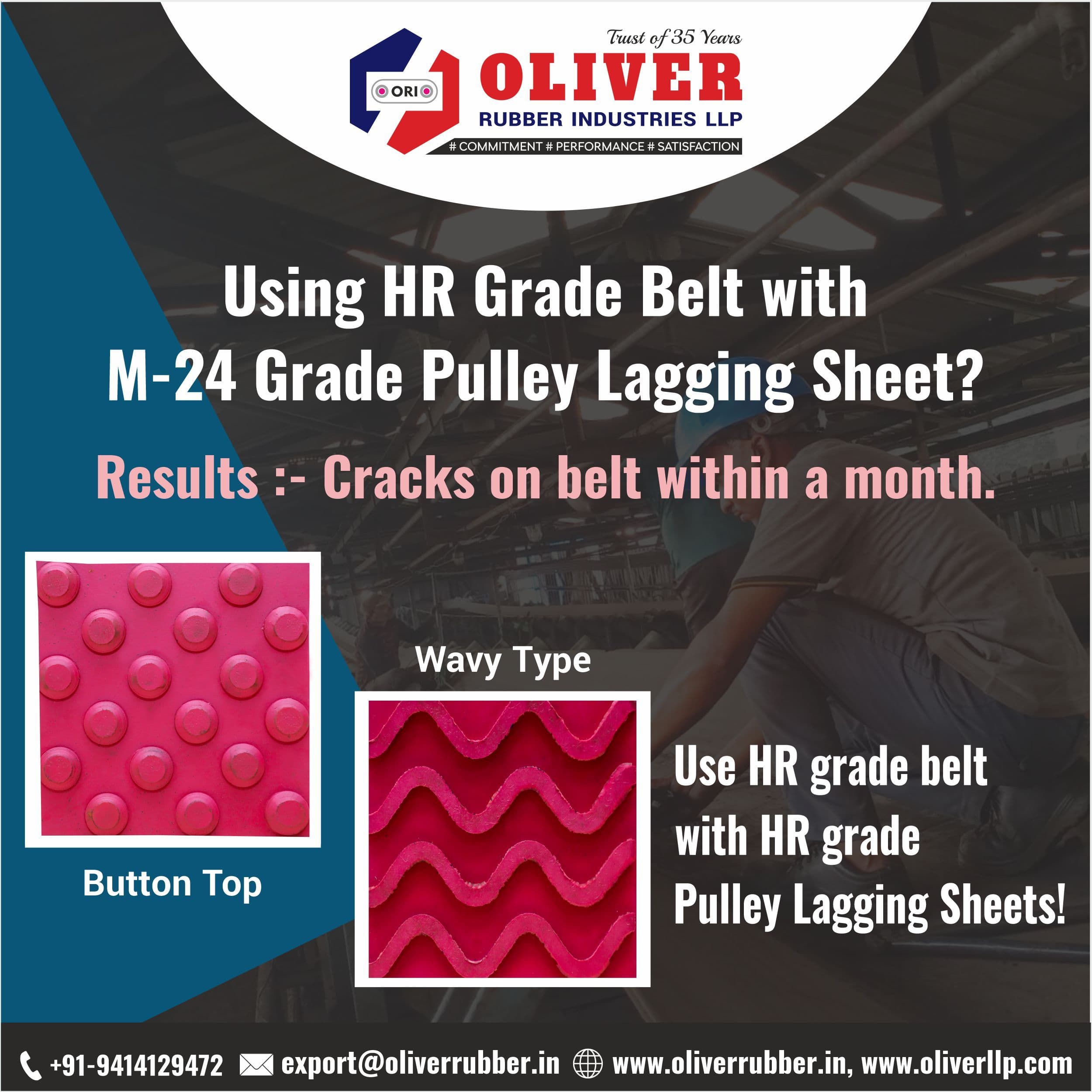
Think of it as a thick, rubbery layer. It's the go-to choice because it has great grip, can handle wear and tear, and fits in all sorts of situations. You can find some rubber-lagging solutions here: https://oliverllp.com/products/rubber-lagging.
This one's like the superhero of toughness. It's perfect for tough environments where things rub against the pulleys a lot.
Ever seen a diamond-patterned lagging? It's like having extra grip for those conveyor slopes—super handy!
Slide-lagging materials are like the conveyor's chill pill—they reduce friction, so things don't heat up too much.
The thickness of your pulley lag depends on how heavy the stuff on your conveyor is, how fast it's moving, and what you're carrying. Usually, lagging thickness ranges from as thin as 6mm to as thick as 15mm. It's like choosing the right shoes for different activities—you want the perfect fit.
Pulleys aren't all cut from the same cloth. There are three main types:
Now, let's talk about making your conveyor system rock:
Regularly check and clean your pulleys. It's like giving your car a wash to keep it running smoothly.
Make sure the lagging is put on the pulleys just right. This helps them last longer and work better.
Picking the right lagging material is like dressing for the weather. Consult with the experts to find your perfect fit.
The belt should be just tight enough. Regularly check and adjust it to keep things running smoothly.
If dust is a problem, go for lagging materials that reduce dust. It keeps the air cleaner and your workers happier.
Let's take a peek at a couple of case studies to see how pulley-lagging conveyor systems transformed:
A mining operation faced issues with conveyor belts slipping on their drive pulleys due to the challenging terrain. They decided to switch to rubber lagging, which improved grip significantly. This resulted in increased productivity and reduced downtime as belt slippage became a thing of the past.
A heavy-duty manufacturing plant had constant problems with pulley wear and tear. They adopted ceramic lagging, known for its durability. The pulley lagging's resistance to abrasion resulted in longer-lasting pulleys, saving the company significant maintenance costs.
Pulleys are like the DJs of the conveyor world—they control the tempo. Here's how they do it:
Just like a bigger gear on a bicycle means slower but more powerful pedaling, larger drive pulleys slow down the belt while keeping it efficient.
Some systems use gearboxes or reducers to slow things down further. It's like shifting gears on a bike.
These are like the remote controls for the conveyor motor. They let you change the speed with the push of a button.
In a nutshell, pulley lagging is the unsung hero of conveyor systems. By picking the right lagging material, taking good care of your system, and understanding how pulleys control speed, you can turn your conveyor system into a smooth operator.
For top-quality rubber lagging solutions, check out Oliver LLP's product range. A well-maintained conveyor system with the right pulley lag can boost productivity and reduce downtime, making everyone's day a bit smoother.
---
Feb 27, 2026