
Oct 18, 20236 min read
Author
Oliver Team
Primary Topic
rubber curing and vulcanization
Record Source
Database
Author
Oliver Team
Primary Topic
rubber curing and vulcanization
Record Source
Database
In the world of materials, particularly when it comes to rubber, two terms frequently crop up: "curing" and "vulcanization". At first glance, they might seem interchangeable, but a deeper look reveals distinct differences. This article aims to explore these differences, with a special focus on cold vulcanization. Even if English is not your strong suit, worry not, as this guide is designed to be as straightforward as possible.
Aspect | Description |
|---|---|
What is Rubber? | A natural polymer from latex sap of rubber trees, often requiring treatment to improve properties for commercial use. |
Curing | A broad range of processes to enhance durability and suitability of materials, not limited to rubber. |
Vulcanization | A specific curing process for rubber using sulfur to create cross-links, improving rigidity and resistance. |
Cold Vulcanization | A subset of vulcanization without high heat, using chemicals to facilitate cross-linking in rubber. |
Advantages of Cold Vulcanization | No need for sophisticated heating equipment, ideal for repairs, and useful for specific applications. |
Limitations of Cold Vulcanization | May not impart the same level of resilience and toughness as hot vulcanization. |
Curing vs. Vulcanization | All vulcanization is a form of curing but not all curing is vulcanization. Vulcanization is specific to rubber treatment. |
Before diving into the processes of curing and vulcanization, it's crucial to understand what rubber is. Rubber is a natural polymer derived from the latex sap of rubber trees. Its elastic nature makes it a popular choice for a variety of products, from tires to erasers. However, natural rubber, in its raw state, is not always suitable for commercial use. It can be sticky, fragile, and not resistant to temperature changes. Here's where curing and vulcanization come in.
Curing refers to a broad range of processes that treat materials to improve their properties. It's not just limited to rubber. The primary goal is to make a material more durable, less susceptible to environmental conditions, and more suitable for its intended use.
In the context of rubber, curing involves heating it in the presence of specific chemicals. The process modifies the polymer chains within the rubber, enhancing its properties. Post-curing, the rubber becomes more elastic, resilient, and weather-resistant.
Vulcanization is a specific curing process that treats rubber. The name originates from Vulcan, the Roman god of fire. Introduced by Charles Goodyear in the 19th century, this process revolutionized the rubber industry.
During vulcanization, sulfur is added to rubber, and the mix is heated. The sulfur forms bridges or cross-links between the individual polymer chains. These cross-links make the rubber more rigid, less sticky, and more resistant to wear and tear. In simple words, vulcanization turns soft, sticky rubber into a firm and elastic material, making it ideal for products like car tires.
Now, when most people think of vulcanization, they imagine it as a hot process. After all, the traditional method involves heat. However, there's an alternative: cold vulcanization.
Cold vulcanization doesn't mean the process happens at freezing temperatures. Instead, it's called "cold" because it doesn't use the high temperatures typically associated with conventional vulcanization. Here's a closer look:
- Chemicals Over Heat: Cold vulcanization relies more on chemicals than heat. Special vulcanizing agents are used, which can facilitate the cross-linking of rubber polymer chains without the need for excessive heat.
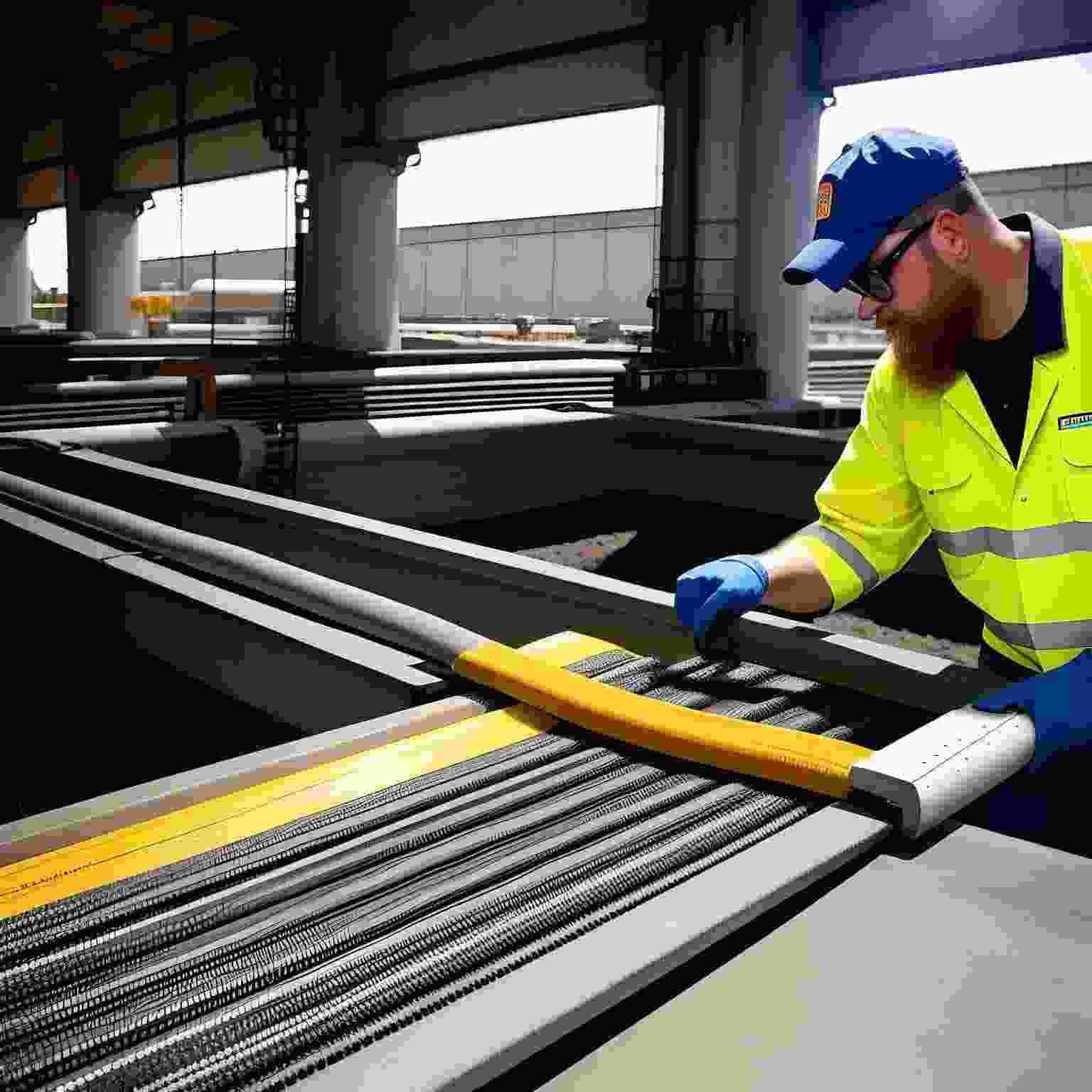
- Advantages: One of the primary benefits of cold vulcanization is that it doesn't require sophisticated heating equipment. It's also useful when repairing rubber items. For instance, if a conveyor belt gets damaged, it's not feasible to heat the entire thing to repair a small section. Cold vulcanization provides a solution.
- Limitations: While cold vulcanization offers several advantages, it doesn't always impart the same level of resilience and toughness as hot vulcanization. As such, the choice between the two often depends on the specific requirements of a project.
To sum up, while all vulcanization is a form of curing, not all curing is vulcanization. Curing is a general term for processes that enhance material properties. Vulcanization, on the other hand, is specific to rubber and typically involves the addition of sulfur. Cold vulcanization is a subset of vulcanization that doesn't rely on high temperatures, but instead on specific chemicals, making it ideal for certain applications.
With this knowledge, one can appreciate the nuances between these terms and understand the significance of processes like cold vulcanization in the rubber industry. Remember, whether it's a car tire or a simple eraser, these processes play a pivotal role in shaping the rubber products we use daily.
1. What is rubber?
- Rubber is a natural polymer derived from the latex sap of rubber trees. In its natural form, it can be sticky, fragile, and sensitive to temperature changes.
2. How is curing different from vulcanization?
- Curing is a general term that refers to various processes used to improve the properties of materials, including rubber. Vulcanization, on the other hand, is a specific type of curing process for rubber, which uses sulfur to enhance its properties.
3. Who introduced vulcanization?
- Vulcanization was introduced by Charles Goodyear in the 19th century.
4. What role does sulfur play in vulcanization?
- In vulcanization, sulfur is added to rubber and then heated. The sulfur forms bridges or cross-links between the rubber's polymer chains, making it more rigid, less sticky, and more resistant to wear and tear.
5. What is cold vulcanization?
- Cold vulcanization is a method that doesn't rely on the high temperatures typically used in traditional vulcanization. Instead, it depends on specific vulcanizing agents to facilitate the cross-linking of rubber polymer chains.
6. Why is cold vulcanization beneficial?
- Cold vulcanization doesn't require advanced heating equipment and is particularly useful for repairing specific sections of rubber items, like conveyor belts, without having to treat the entire object with heat.
7. Does cold vulcanization offer the same strength as traditional methods?
- While cold vulcanization has its advantages, it might not always provide the same level of resilience and toughness as hot vulcanization.
8. Is all vulcanization a form of curing?
- Yes, all vulcanization is a form of curing, but not all curing processes are considered vulcanization.

Conveyor Belt Jointing Services in 1 Day in Al Ghail Industrial
Feb 27, 2026