Oct 09, 20236 min read
Author
Oliver Team
Primary Topic
conveyor belt price
Record Source
Database
Deep Dive
Hello there! If you've got a conveyor belt that needs a bit of fixing, you've come to the right place. Let's jump right in with a super easy-to-understand guide on how to use OM-2000 to spli...
Author
Oliver Team
Primary Topic
conveyor belt price
Record Source
Database
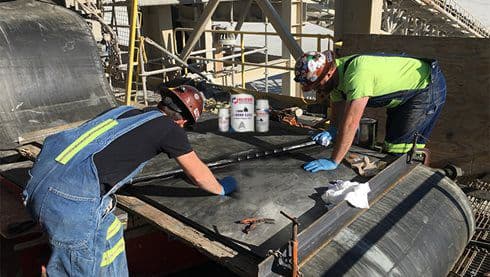
Hello there! If you've got a conveyor belt that needs a bit of fixing, you've come to the right place. Let's jump right in with a super easy-to-understand guide on how to use OM-2000 to splice (or join) your conveyor belt.
Step | Instructions |
|---|---|
1. Get Things Clean | Ensure the area for the OM-2000 application is clean and dry to avoid issues. |
2. Make it Rough | Use sandpaper or a similar abrasive to roughen the area, then remove debris. |
3. Clean it Up Again | Apply "Belt - o - cleaner" to the roughened spot to prepare it for splicing. |
4. Mix and Apply | Combine primer and hardener, then apply a coat to the designated area. |
5. Add More Coats | After the first coat dries, apply additional layers for a stronger bond. |
6. Wait a Bit | Let the applied material sit for up to 1 hour to ensure proper bonding. |
7. Give it a Go | Slowly start the conveyor belt to test the effectiveness of the splice. |
First, make sure the spot where you're going to use OM-2000 is clean and dry. Any dirt or water might mess things up. So, it's super important to start clean.
You know how it's easier to hold onto something rough than something smooth? That's what we want for our belt! Use something rough, maybe a bit of sandpaper, and gently scrub the area. Get rid of any tiny bits that come off.
Now, take "Belt - o - cleaner" (a fancy cleaner) and use it on the spot you just roughened. This ensures that the surface is super ready for our next steps. It's like prepping a canvas for painting!
Now, mix your primer and hardener together. Once you've got a good mix, put a coat on the spot you're working on. Think of it like painting a wall, but on your conveyor belt!
Once the first layer is dry, give it a couple more coats of the same mix. This makes sure the bond (or join) is super strong. It's like adding layers to a cake!
After you're done with all the painting (or applying), take a break. Let it sit for up to an hour. Maybe grab a coffee or read a book.
Once your hour's up, start your conveyor belt slowly and see how it goes. It's like testing out a new toy!
+----------------+----------------------------------------------------------------------------------------------------------------------------------------------+
| Step | Instructions |
+----------------+-----------------------------------------------------------------------------------------------------------------------------------------------+
1. Get Things Clean: Make sure the spot where you're going to use OM-2000 is clean and dry.
+----------------+------------------------------------------------------------------------------------------------------------------------------------------------+
2. Make it Rough: Use something rough, like sandpaper, and gently scrub the area. Remove any debris.
+----------------+-------------------------------------------------------------------------------------------------------------------------------------------------+
3. Clean it Up Again. Use "Belt - o - cleaner" on the spot you just roughened.
+----------------+-------------------------------------------------------------------------------------------------------------------------------------------------+
4. Mix and Apply: Mix your primer and hardener together. Apply a coat on the working spot.
+----------------+--------------------------------------------------------------------------------------------------------------------------------------------------+
5. Add More Coats: Once the first layer is dry, give it a couple more coats of the same mix.
+----------------+--------------------------------------------------------------------------------------------------------------------------------------------------+
| 6. Wait a Bit | Let it sit for up to 1 hour.
+----------------+---------------------------------------------------------------------------------------------------------------------------------------------------+
7. Give it a go. | Start your conveyor belt slowly and test it out. |
+----------------+----------------------------------------------------------------------------------------------------------------------------------------------------+
1. What is conveyor belt splicing?
Splicing refers to joining two ends or sections of a conveyor belt together, either by using a chemical adhesive, heat, or mechanical means.
2. Why is cleaning the conveyor belt important before splicing?
Cleaning ensures that the belt surface is free of dirt, grease, and other contaminants. A clean surface allows for better adhesion and a stronger bond.
3. How can I roughen the surface of the conveyor belt?
You can use abrasive tools or sandpaper to create a rougher surface. This increases the belt's grip and improves the bond's strength.
4. Why is roughening the belt's surface necessary before splicing?
A roughened surface increases the grip and contact area of the adhesive, resulting in a more durable and long-lasting bond.
5. How long should I wait after splicing before using the conveyor belt?
Typically, you should wait for the adhesive to fully cure before operating the conveyor belt. This duration varies depending on the adhesive used and environmental conditions.
6. Can I splice a conveyor belt that has large tears or damage?
For significant damages, it's often recommended to replace the affected section or consult with a conveyor belt specialist. Splicing might not provide sufficient strength for larger damages.
7. How many adhesive coats should I apply when splicing?
The number of coats depends on the adhesive's guidelines. However, multiple coats often ensure a stronger bond, especially in areas with high stress.
8. What are the risks of not waiting long enough after splicing?
If the adhesive hasn't fully cured and the conveyor is operated, the splice might fail or weaken, leading to potential operational issues.
9. Is there a preferred method for conveyor belt splicing?
The choice of splicing method depends on the conveyor belt's type, usage, and the environment in which it operates. Common methods include mechanical fastening, cold splicing, and hot splicing. Each has its advantages and specific applications.
10. Can environmental conditions affect the splicing process?
Yes, factors like temperature, humidity, and dust can impact the adhesive's curing time and bond strength. Always refer to the adhesive's guidelines and consider environmental conditions during the splicing process.
---
Fixing a conveyor belt might seem tough, but with OM-2000 and this guide, you'll be a pro in no time! Just remember to keep things clean, roughen the spot, use the right mix, and wait a bit before testing it out. And remember, if you ever feel unsure, always ask for help or advice. Good luck!