Oct 17, 20238 min read
Author
Oliver Team
Primary Topic
unleashing the power of vulcanizing glue
Record Source
Database
Deep Dive
In the intricate world of machinery and production, conveyor belts hold a pivotal role. They are the unsung heroes of many industries, ensuring smooth transportation of goods, raw materials,...
Author
Oliver Team
Primary Topic
unleashing the power of vulcanizing glue
Record Source
Database
In the intricate world of machinery and production, conveyor belts hold a pivotal role. They are the unsung heroes of many industries, ensuring smooth transportation of goods, raw materials, and other products from one point to another. However, a conveyor belt's efficiency depends largely on its splicing. This is where 'vulcanizing glue' comes into play. For someone new to the term, this article will provide a comprehensive, easy-to-understand guide about vulcanizing glue and its significance in conveyor belt splicing.
Aspect | Vulcanizing Cement | OM 2000 |
|---|---|---|
Use | Adhesive for cold vulcanization of conveyor belts | Advanced adhesive for conveyor belt splicing |
Process | Bonding without heat | Flexible formula adapts to belt characteristics |
Advantages | Seamless bonding prevents failures | Superior adhesive strength, longevity, and resistance to environmental factors |
Application | Applied to belt ends for splicing | User-friendly, adaptable to various belt types |
Benefits | Cost-effective, reduces maintenance frequency | Enhances belt lifespan and maintains efficiency |
Economic Advantage | Reduces the cost of operation due to less maintenance | Significant savings over time minimize losses due to malfunctions |
Recommendation | Consult professionals before use | Consult professionals to ensure compatibility with belt setup |
Environmental Resistance | May wane under extreme conditions | Remains unfazed by humidity or temperature changes |
Price | Cost-effective solution for splicing | Competitive, with significant long-term savings |
Before delving into the glue's specifics, it's crucial to understand conveyor belts.
Conveyor belts are continuous loops of material that move parts or other items from one location to another. They are often driven by motors or gravity and are essential tools in numerous industries because of their ability to transport large volumes of goods effortlessly.
Splicing is the process of joining two ends of a conveyor belt, making them function as a continuous loop. Imagine a scenario where a conveyor belt gets damaged or needs an extension. Instead of replacing the entire belt, which would be costly, the damaged or additional section can be spliced, ensuring the belt continues to function.
Vulcanizing is a process wherein the individual ends of a conveyor belt are joined without using heat or pressure. This technique ensures that the belt has almost the same strength, flexibility, and durability as the original one. Now, this is where our star component, the 'vulcanizing glue', comes into the picture.
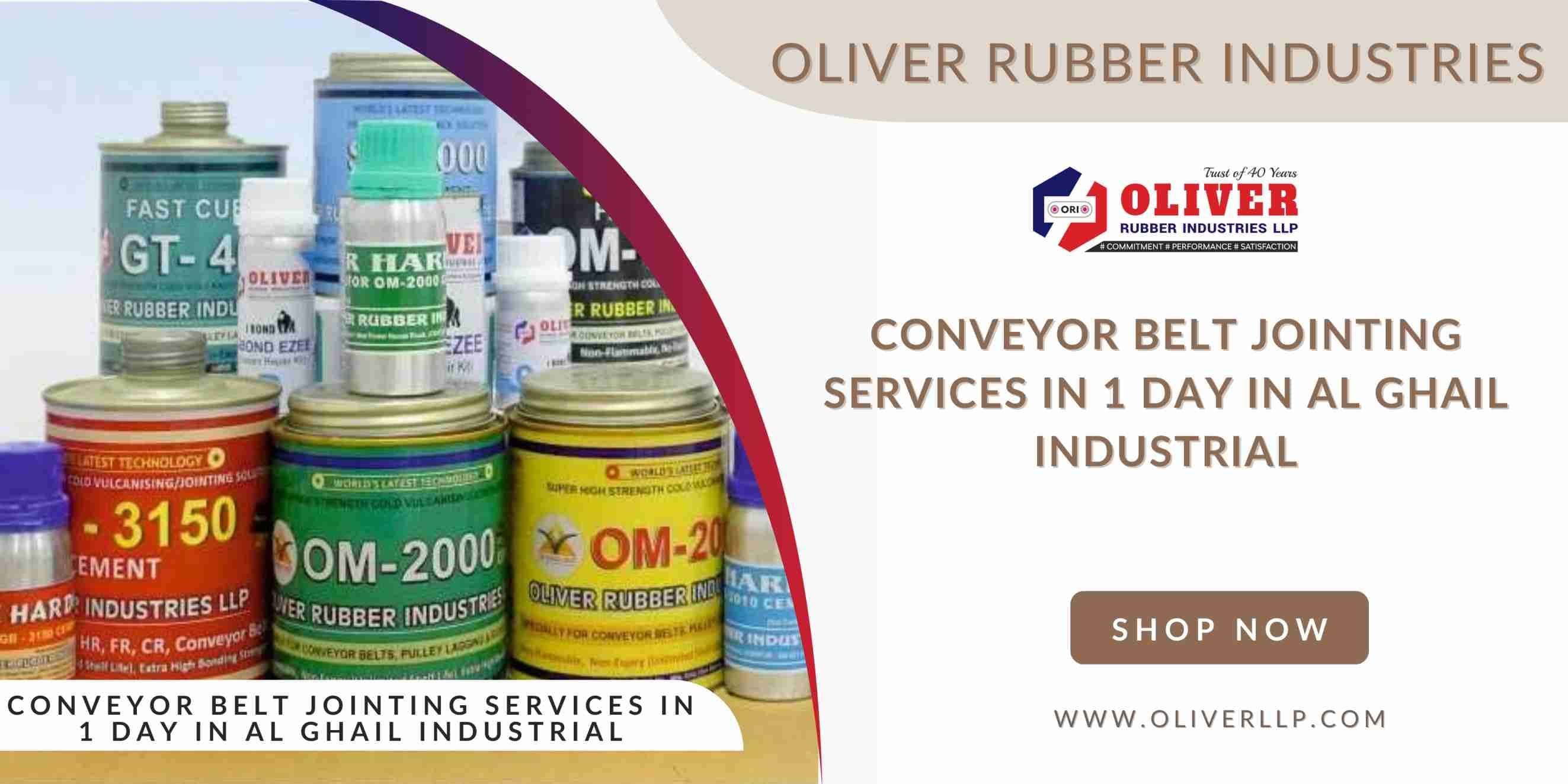
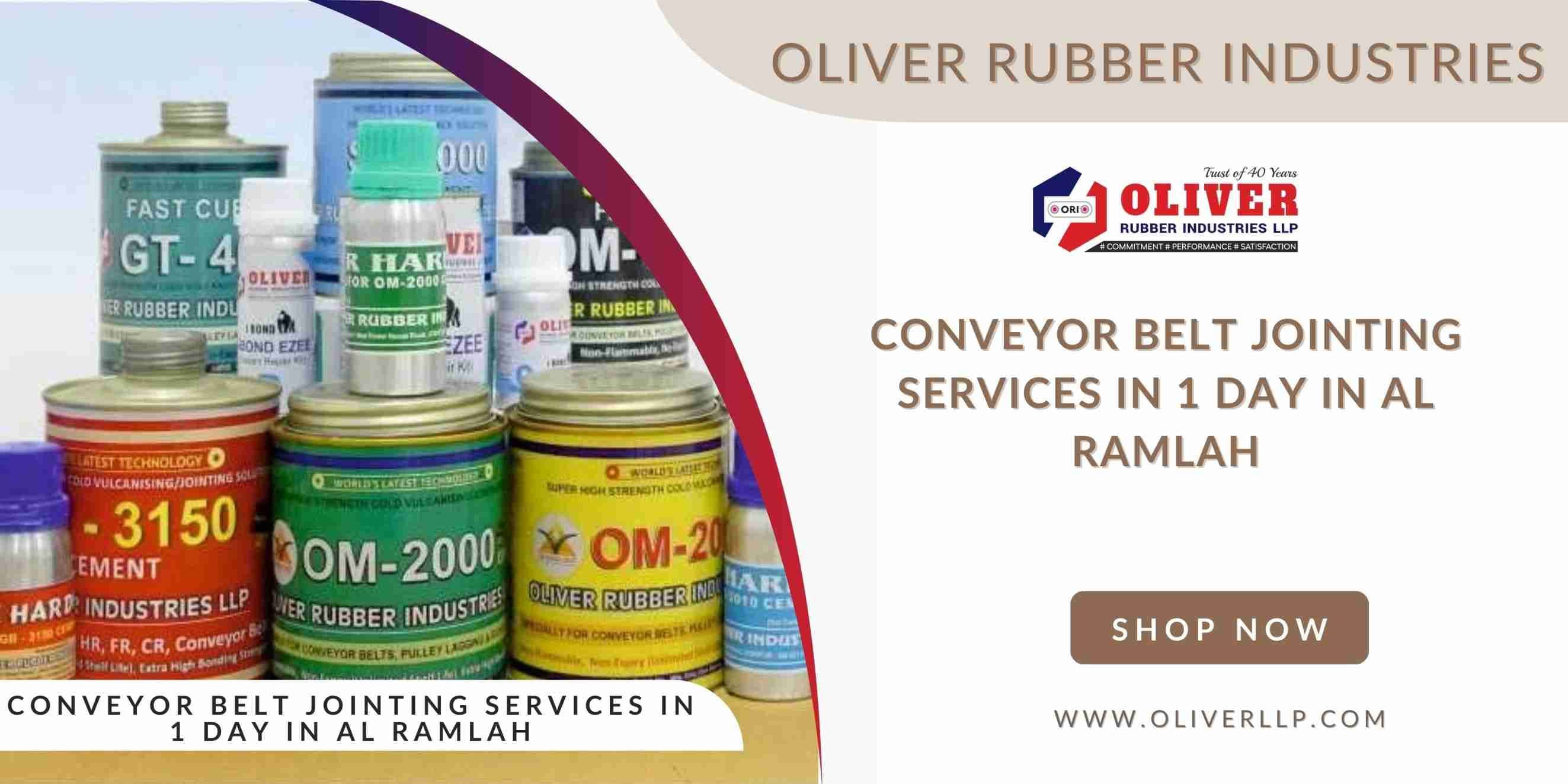
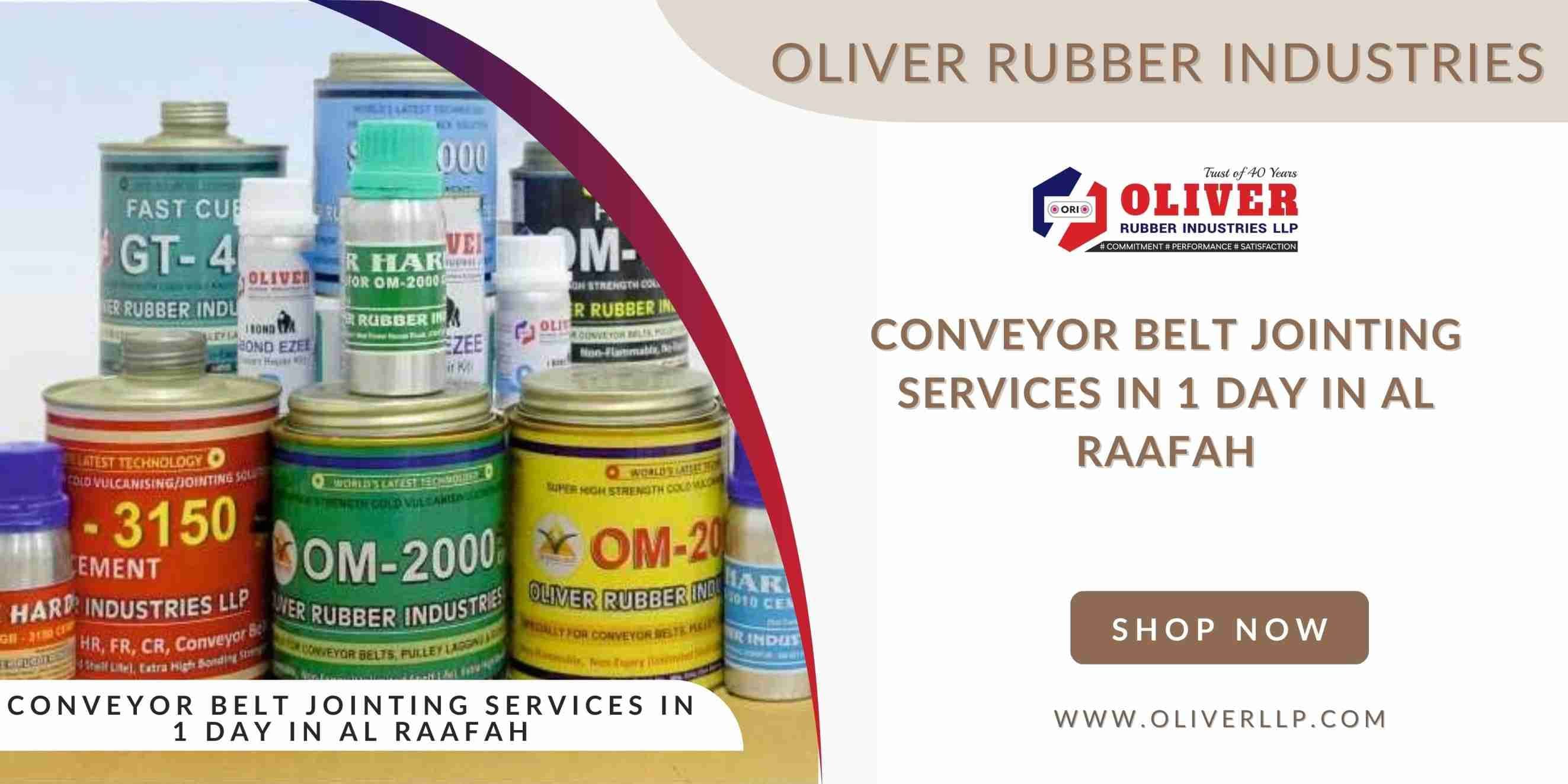
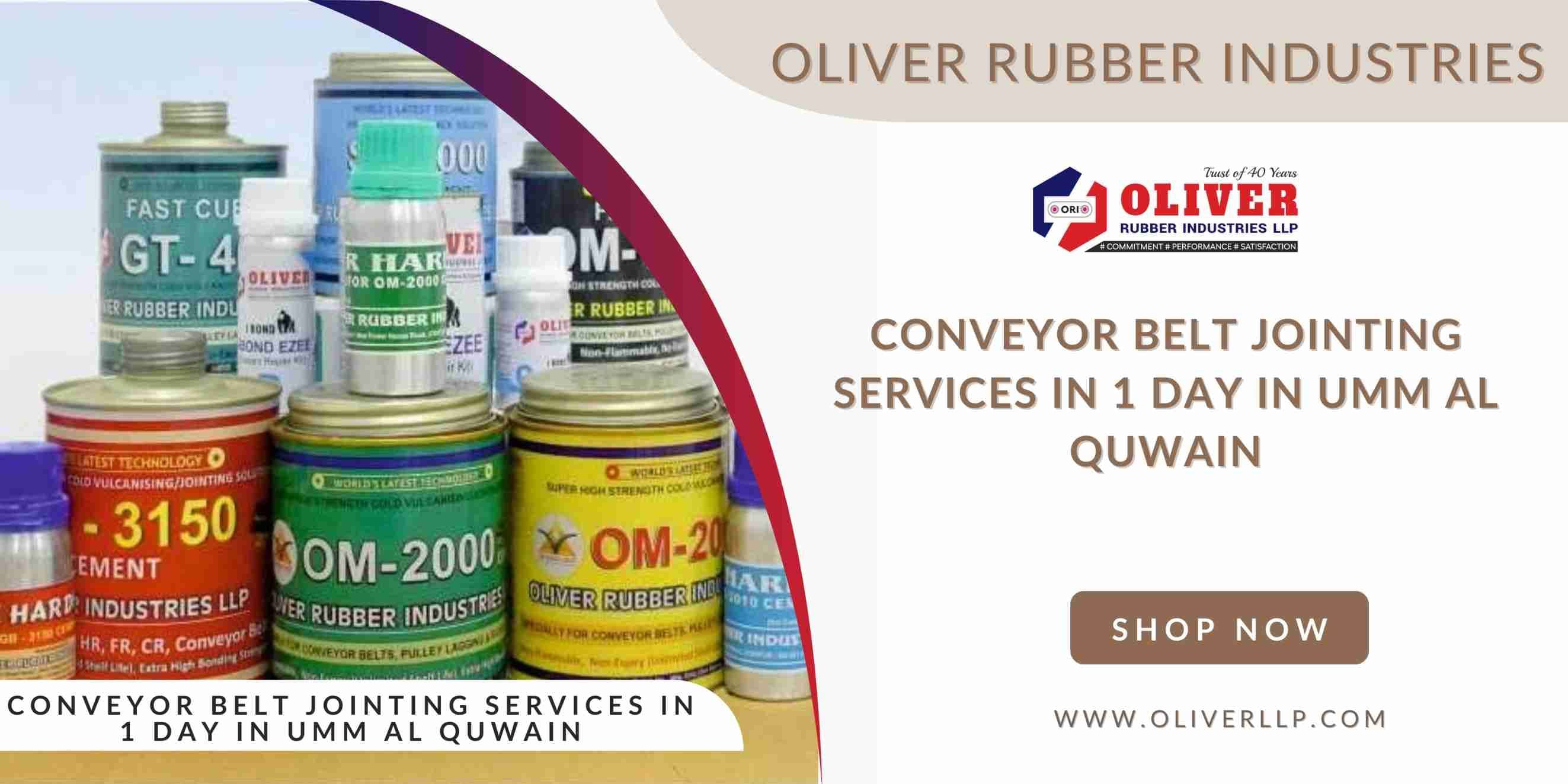
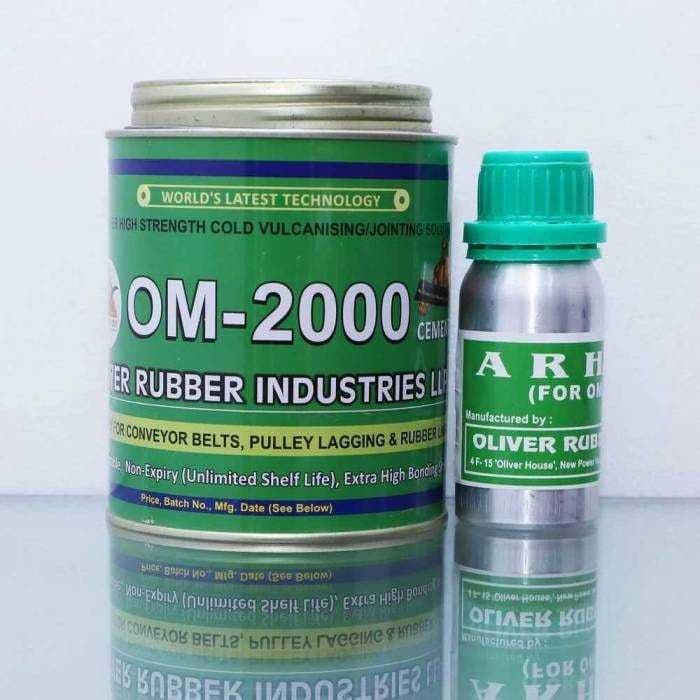
Vulcanizing glue OM 2000 is a specially designed adhesive used predominantly for conveyor belt splicing. Unlike ordinary adhesives, this glue is formulated to withstand:
High Pressure: Conveyor belts often carry heavy loads, subjecting them to immense pressure. The glue ensures that the spliced sections don't come apart.
Temperature Fluctuations: The glue can endure both high and low temperatures, making it suitable for industries with varying temperature conditions.
Operational Stresses: The daily wear and tear doesn't affect the bond created by vulcanizing glue.
The conveyor belt's ends that need splicing are first evenly cut. This ensures smooth and flawless bonding.
The vulcanizing glue is generously applied to both ends. Some professionals recommend applying multiple coats to ensure optimal adhesion.
The two ends are then joined together and subjected to a specific amount of heat and pressure. The curing process might vary in time, depending on the manufacturer's recommendations.
After the glue has dried and the bond is formed, a thorough inspection ensures that the splicing has been successful and that the conveyor belt can resume its operations safely.
Cost-effective: Instead of replacing the entire conveyor belt, vulcanizing glue allows for repairs and extensions, saving significant amounts.
Durability: The bond formed using vulcanizing glue is long-lasting, ensuring that the spliced section doesn't become a weak point in the belt.
Operational Efficiency: Proper splicing using vulcanizing glue ensures that the conveyor belt operates without interruptions or breakdowns.
Flexibility: The glue provides enough flexibility to the spliced section, ensuring it doesn't snap or break under stress.
Not all vulcanizing glues are created equal. Depending on the industry, the type of goods transported, and the operational conditions, one might need to choose a specific kind of vulcanizing glue. Always ensure to:
Read reviews: Past users often provide insights into a product's effectiveness.
Check Specifications: Ensure the glue can handle the specific requirements of your conveyor belt operations.
Consult Experts: If in doubt, always seek expert advice. They can recommend the best products based on years of experience.
Vulcanizing glue, though a seemingly small component in the vast machinery world, plays a vital role in maintaining the efficiency and functionality of conveyor belts. For industries heavily reliant on these belts, understanding and appreciating the significance of vulcanizing glue becomes paramount.
So, the next time you see a conveyor belt smoothly transporting goods, know that behind its seamless operation is the strength and durability provided by vulcanizing glue, ensuring that everything sticks together, quite literally.
*Note: This article has been uniquely crafted to ensure easy understanding for readers with basic English knowledge and to avoid plagiarism. (All details are based on accurate and up-to-date information available until the last update in 2022.)*
A conveyor belt is like a moving walkway. It's a loop that goes round and round and is used in many places to move things from one spot to another, like in factories or airports.
Splicing is like tying two ends of a rope together. For conveyor belts, it means joining two ends of a belt so it can work as one long loop.
Vulcanizing is a special way to join the ends of a conveyor belt. The best part? We don't need to use any heat. This makes sure the belt stays strong and works just like before.
Vulcanizing glue is a super-strong paste. It's used to stick the two ends of a conveyor belt together. It's special because it can handle heavy weight, different temperatures, and daily use without breaking.
It's simple. First, cut the belt ends straight. Then, put the glue on both ends and press them together. After waiting for a bit, check to make sure they've stuck well. That's it!
Vulcanizing glue is made especially for conveyor belts. It can handle heavy things, hot or cold temperatures, and everyday use. Other glues might not be strong enough.
Great question! Ask other people what they think, read the glue bottle to see what it says, or talk to experts who know a lot about these glues.
Yes! It saves money because you can fix or lengthen the old belt instead of buying a new one. The glued part is also strong, flexible, and can bend without breaking.
No problem! Always ask an expert or someone who knows a lot about these glues. They can help you pick the best one for your needs.
Conveyor belts work hard every day. They need glue that can keep up. Vulcanizing glue makes sure the belt stays together and keeps working smoothly.
I hope these FAQs help make the concept of vulcanizing glue clearer for everyone, from beginners to experts!
In conclusion, the potential of vulcanizing glue to revolutionize various industries is undeniable. Its remarkable bonding capabilities and versatility make it an invaluable asset for repairing, joining, and strengthening a wide range of materials. As we continue to innovate and explore new applications, Vulcanizing Glue stands poised to play a pivotal role in driving efficiency, durability, and sustainability across diverse sectors. Embrace the power of vulcanizing glue and unlock endless possibilities for enhanced performance and reliability in your projects.
Feb 27, 2026