Sep 16, 20238 min read
Author
Oliver Team
Primary Topic
conveyor belt vulcanizing solution manufacturer
Record Source
Database
Author
Oliver Team
Primary Topic
conveyor belt vulcanizing solution manufacturer
Record Source
Database
To ensure the longevity and optimal performance of Conveyor belts, regular maintenance and repair are essential. One of the key maintenance processes is conveyor belt vulcanization. In this Article, We will introduce a reliable solution for conveyor belt splicing: OM-2000 Cold Vulcanizing Adhesive.
Conveyor Belt Vulcanizing Solution: Ensuring Optimal Conveyor Performance | |
|---|---|
Introduction | Introduction to conveyor belt vulcanization and the OM-2000 Cold Vulcanizing Adhesive as a reliable solution for belt splicing. |
Vulcanization Process | A series of steps required for both hot and cold vulcanization methods, including belt preparation, splicing method, application of the solution, and quality control. |
Materials Used in Vulcanizing | Different materials for hot and cold vulcanization, with emphasis on OM-2000 Cold Vulcanizing Adhesive for cold vulcanization. |
Cold Vulcanization Scenarios | Describes scenarios where cold vulcanization is preferred due to its convenience and effectiveness. |
OM-2000 Cold Vulcanizing Adhesive | Benefits and features of OM-2000, including quick bonding, versatility, and resistance to wear and tear. |
Conclusion | Summarizes the advantages of cold vulcanization with OM-2000 in maintaining efficient conveyor systems. |
**Vulcanization** is the process of joining two pieces of conveyor belts together to create a continuous loop. This is typically done when a belt is damaged or needs to be extended. The vulcanization process involves several key steps:
The first step is to prepare the belt ends for splicing. This includes cleaning the belt surface and squaring the belt ends to ensure a proper fit.
There are two primary methods for vulcanizing conveyor belts: **hot vulcanization** and **cold vulcanization**. Hot vulcanization involves using heat and pressure to bond the belt ends, while cold vulcanization uses adhesive and is done at room temperature.
In the case of hot vulcanization, a vulcanizing solution is applied to the belt ends. This solution typically contains a blend of natural and synthetic rubbers, as well as curing agents. The belt ends are then pressed together using a vulcanizing press at the recommended temperature and pressure. The heat and pressure cause the rubber in the solution to bond and cure, creating a strong and durable splice.
After the vulcanization process is complete, the splice is allowed to cool, and any excess material is trimmed to ensure a smooth and even surface.
It is essential to perform quality checks to ensure the splice's integrity.
The materials used in conveyor belt vulcanization vary depending on the method chosen—hot or cold vulcanization.
- **Vulcanizing Solution**: This solution contains a mixture of natural and synthetic rubbers, curing agents, and other additives. The specific composition may vary depending on the conveyor belt's specifications and the manufacturer's recommendations.
- **Vulcanizing Press**: Specialized equipment is used to apply heat and pressure to the belt ends during hot vulcanization. The press ensures uniform bonding and curing of the rubber.
- **Cooling and Trimming Tools**: Tools for cooling the splice and trimming any excess material are essential for the finishing touches of the vulcanization process.
- **Cold Vulcanizing Adhesive**: In cold vulcanization, the adhesive is the key material used to bond the belt ends. One such reliable solution is the **OM-2000 Cold Vulcanizing Adhesive**.
Cold vulcanization is chosen in specific situations where hot vulcanization may not be practical or effective. Here are some scenarios where cold vulcanization is preferred:
Cold vulcanization can be done on-site without the need for specialized equipment like vulcanizing presses and heating elements. This makes it a convenient choice for quick repairs in the field.
Some conveyor belts are made of materials that are sensitive to high temperatures. Cold vulcanization eliminates the risk of damaging the belt due to excessive heat exposure.
Cold vulcanization is often faster than hot vulcanization, making it an excellent choice when time is of the essence.
While hot vulcanization provides a stronger and more permanent splice, cold vulcanization can be used for temporary repairs until a more extensive maintenance schedule can be planned.
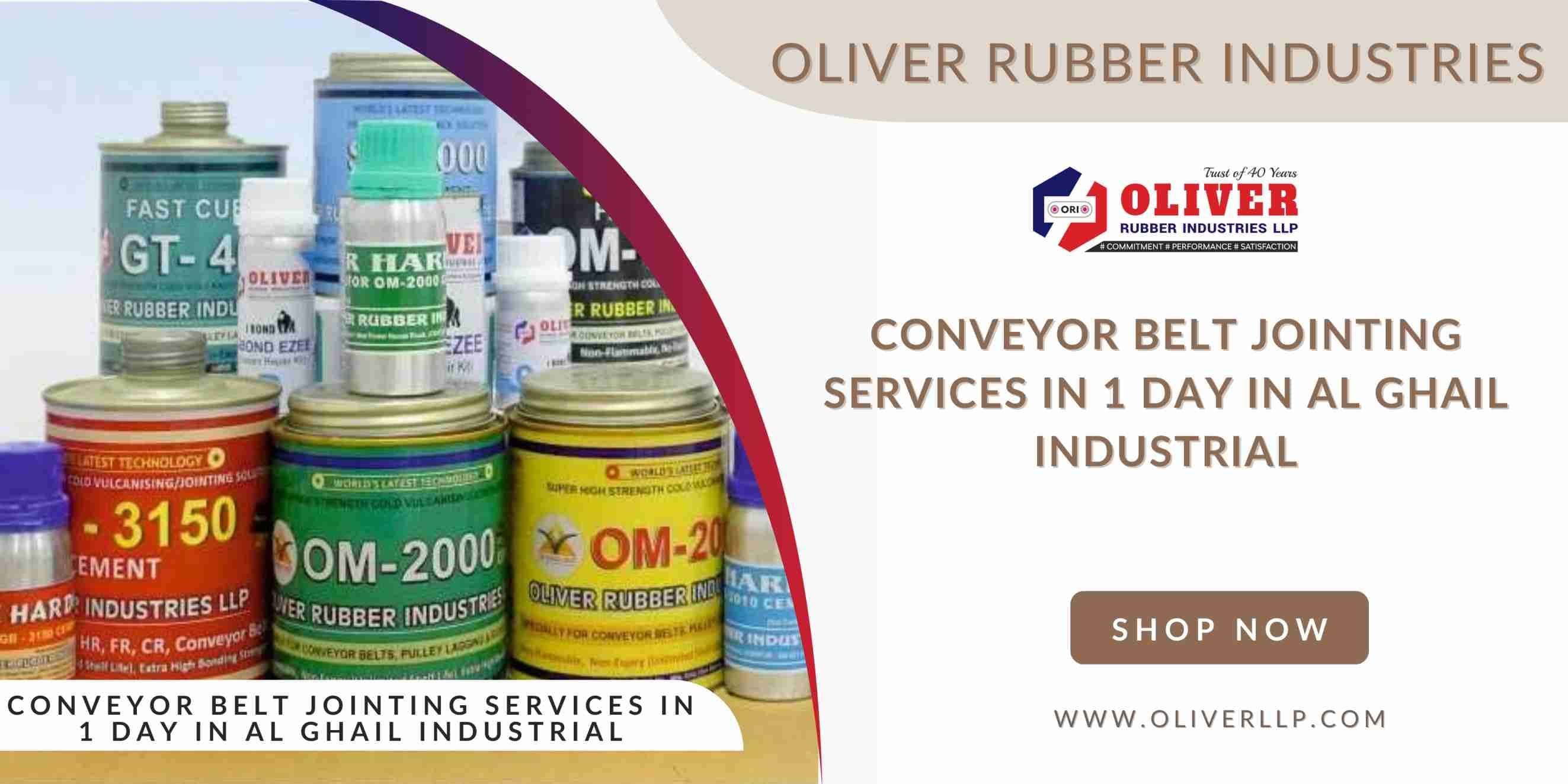
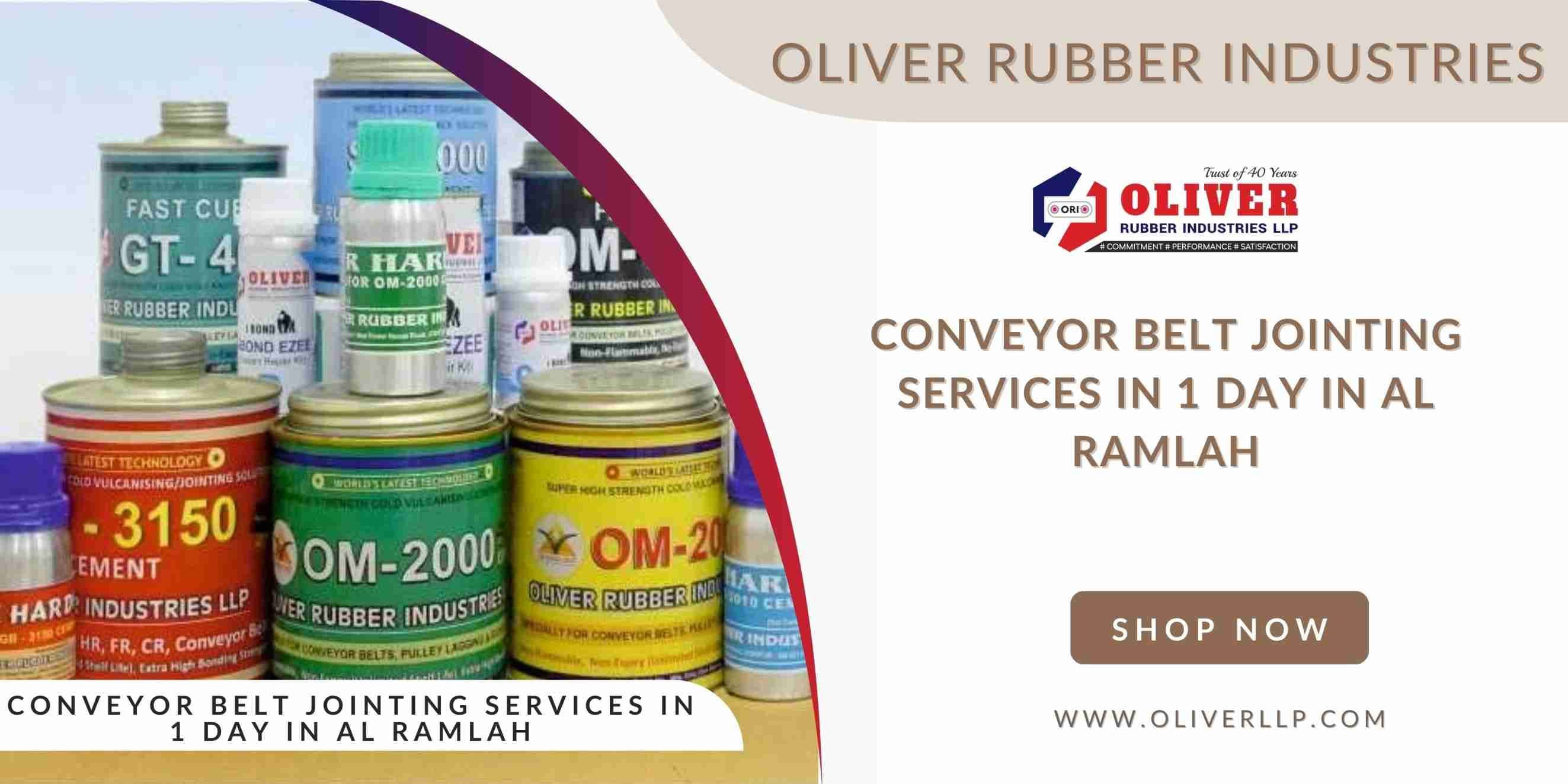
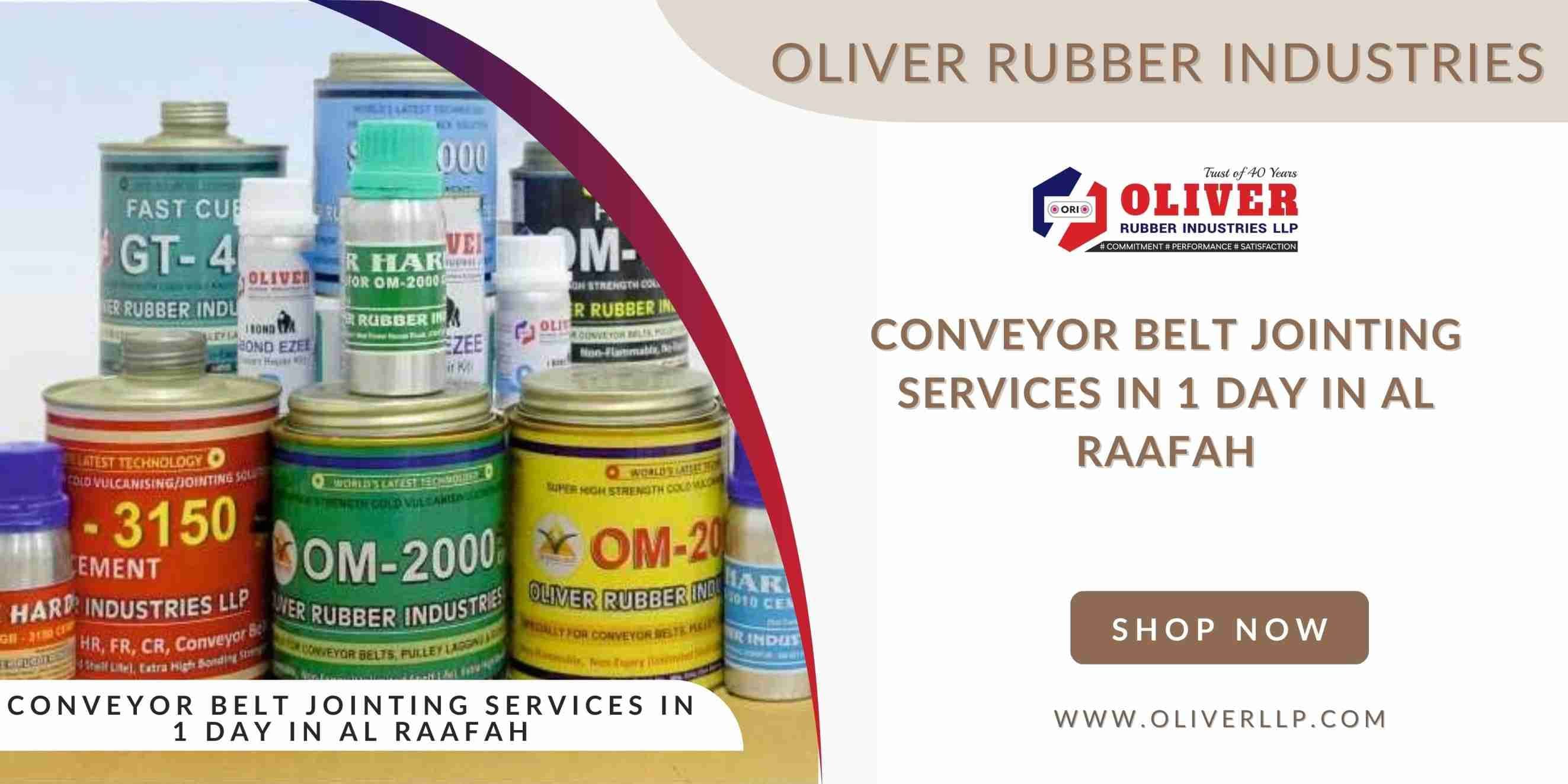
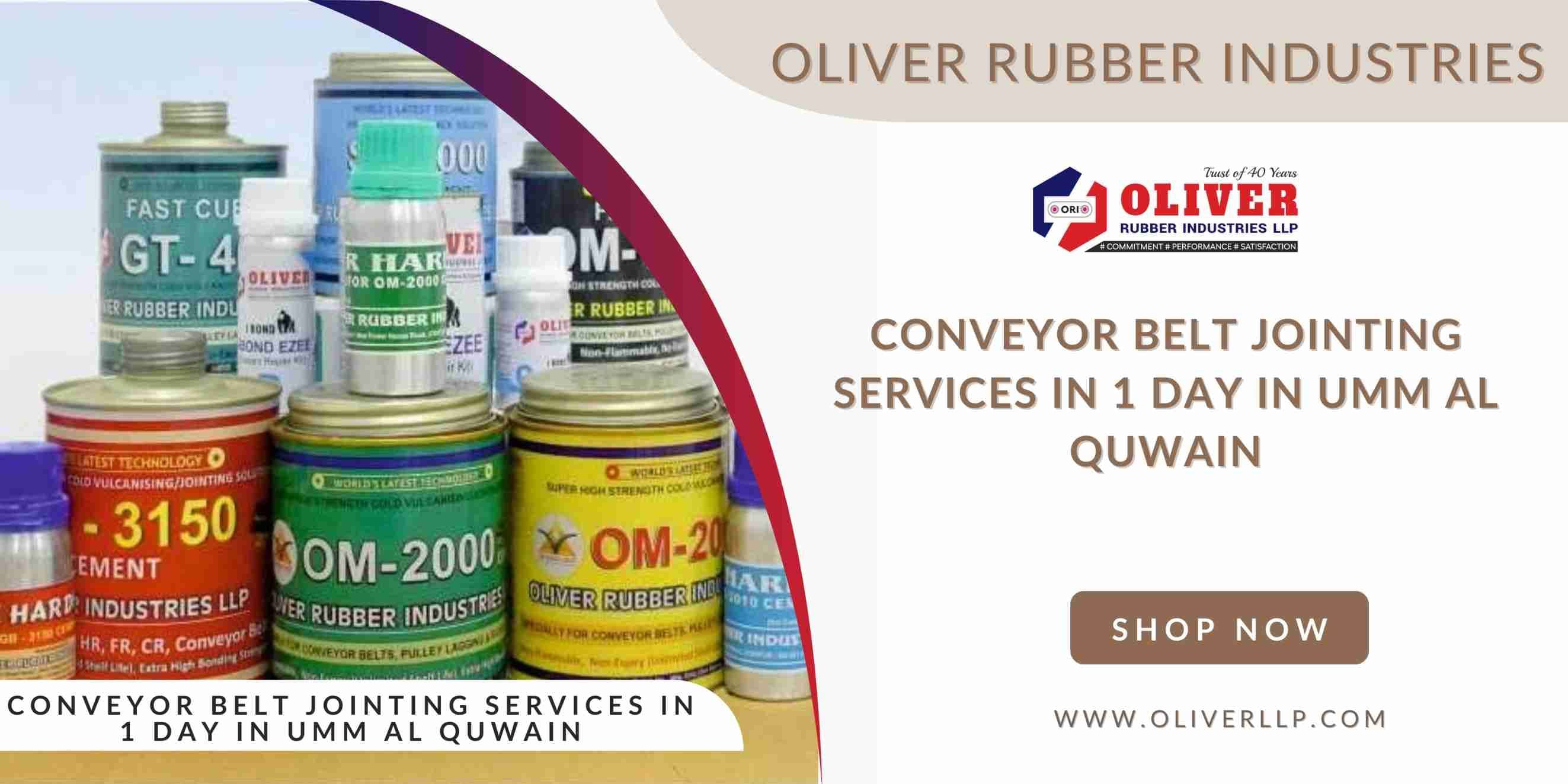
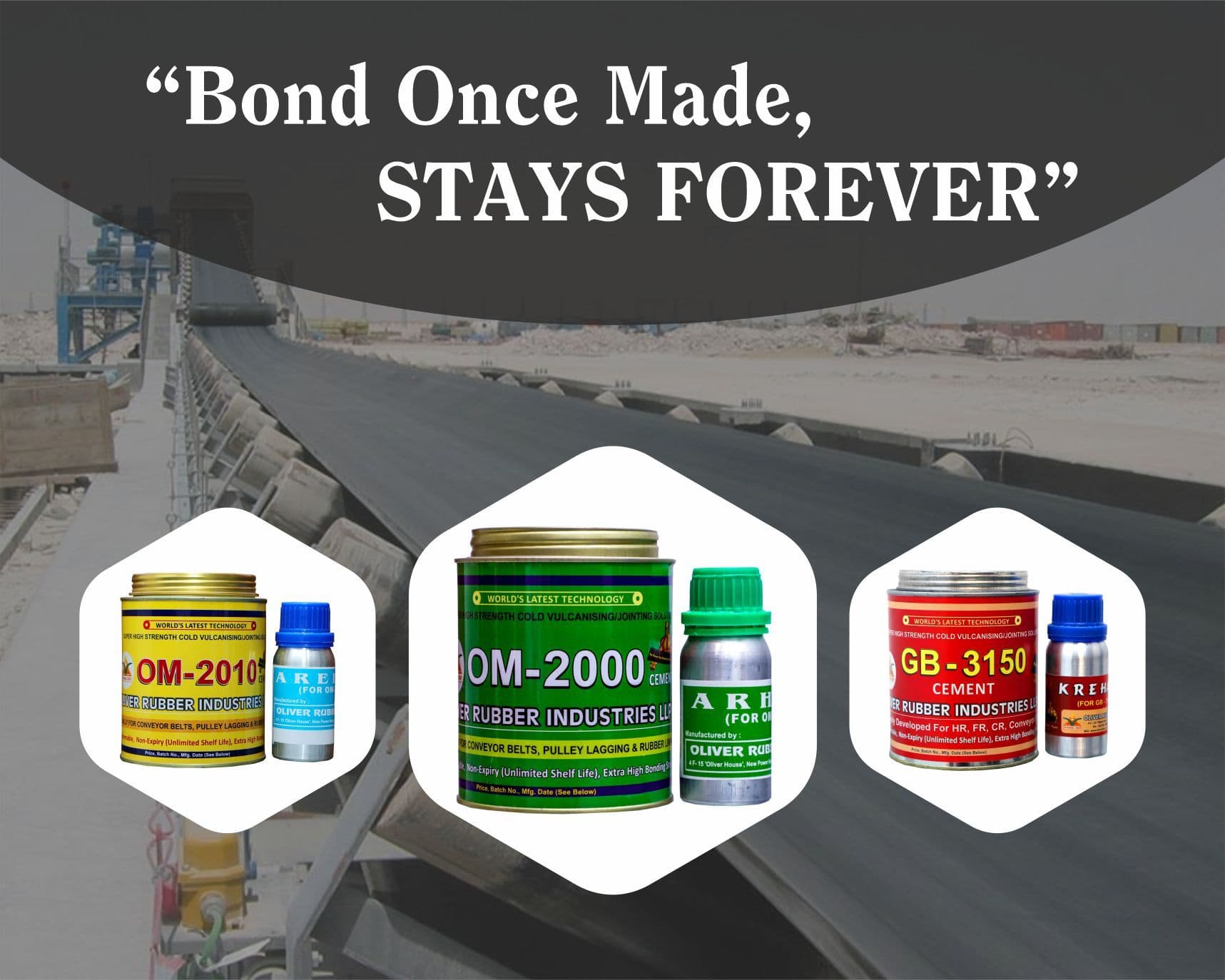
When it comes to cold vulcanization, the choice of adhesive is critical to the quality and durability of the splice. One highly regarded option is the **OM-2000 Cold Vulcanizing Adhesive**, offered by Oliver Rubber Industries LLC. This adhesive is designed for conveyor belt splicing and offers several advantages:
OM-2000 allows for rapid belt splicing, minimizing downtime and disruption to your operations.
It provides a strong and reliable bond, ensuring the integrity of the conveyor belt splice.
OM-2000 is suitable for a wide range of conveyor belt materials, making it a versatile choice for various applications.
The adhesive offers excellent resistance to abrasion, ensuring a longer lifespan for your conveyor belts.
For more information on OM-2000 Cold Vulcanizing Adhesive, you can visit [Cold Vulcanizing Solution].
In conclusion, Cold vulcanization, facilitated by reliable adhesives like OM-2000, provides a quick and effective solution for belt splicing, allowing businesses to maintain their conveyor systems efficiently.
Vulcanization is the process of joining two pieces of conveyor belts together to create a continuous loop, usually done when a belt is damaged or needs to be extended.
Vulcanization involves several steps, including belt preparation, selecting the splicing method (either hot or cold), applying the vulcanizing solution, cooling and trimming, and performing quality control checks.
Yes, there are two primary methods: hot vulcanization and cold vulcanization. Hot vulcanization uses heat and pressure, while cold vulcanization employs adhesive and is conducted at room temperature.
Key materials for hot vulcanization include a vulcanizing solution, a vulcanizing press, and tools for cooling and trimming.
Cold vulcanization primarily uses a cold vulcanizing adhesive, such as the OM-2000 Cold Vulcanizing Adhesive.
Cold vulcanization is often chosen for on-site repairs, situations with temperature-sensitive belts, when there are time constraints, and for temporary repairs.
OM-2000 is quick and convenient, provides excellent bonding, is versatile for various conveyor belt materials, and is resistant to wear and tear.
The OM-2000 Cold Vulcanizing Adhesive is provided by Oliver Rubber Industries LLC.
While cold vulcanization can be used for temporary repairs, it can also provide long-lasting solutions depending on the adhesive's quality and the application method.
For detailed information about OM-2000 Cold Vulcanizing Adhesive, you can visit the link provided in the article [Cold Vulcanizing Solution].
Yes, cold vulcanization is often faster than hot vulcanization, making it a preferable choice when quick repairs are necessary.
Proper belt preparation, which includes cleaning and squaring the belt ends, ensures a proper fit and optimal bonding during the vulcanization process.
Incorporating these FAQs at the end of the article or in a dedicated section can provide readers with quick answers to common questions, enhancing their understanding of the topic. In conclusion, Conveyor Belt Vulcanizing Solution OM 2000 offers a comprehensive solution for repairing and maintaining conveyor belts with efficiency and reliability. Its advanced formulation and easy application make it a preferred choice for industries seeking durable and long-lasting belt repairs. With Conveyor Belt Vulcanizing Solution OM 2000, businesses can minimize downtime, enhance operational efficiency, and prolong the lifespan of their conveyor systems. Trust in the proven effectiveness of OM 2000 for all your conveyor belt maintenance needs.
Feb 27, 2026