Sep 21, 20234 min read
Author
Oliver Team
Primary Topic
how to use vulcanizing cement
Record Source
Database
Author
Oliver Team
Primary Topic
how to use vulcanizing cement
Record Source
Database
Vulcanizing cement is a versatile adhesive used across industries, from automotive repairs to industrial maintenance and household fixes. But how exactly do you use this specialty cement for optimal results? This comprehensive guide will answer that question, making you an expert on how to use vulcanizing cement.
How to Use Vulcanizing Cement
Introduction | Vulcanizing cement is a versatile adhesive used across industries, from automotive repairs to industrial maintenance and household fixes. This guide will teach you how to use it for optimal results. |
What is Vulcanizing Cement? | A specialized adhesive designed to fuse rubber parts together, often used with vulcanization to improve rubber's properties. |
Types of Vulcanizing Cement | Cold Vulcanizing Cement (room temperature, minor repairs), Hot Vulcanizing Cement (requires heat, stronger bond). |
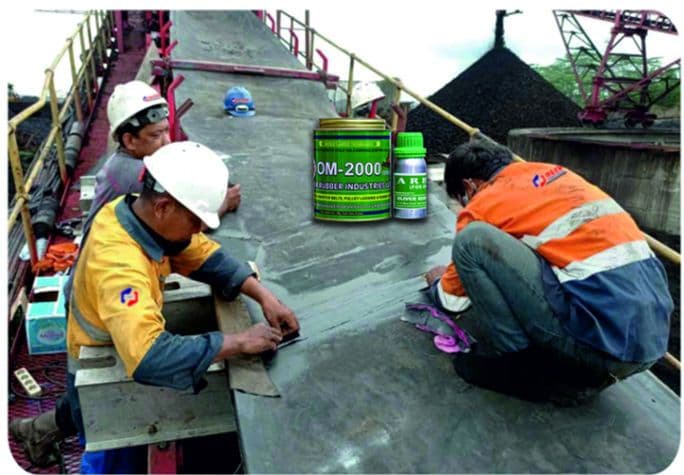
Where to Use Vulcanizing Cement | Tire Repairs, Conveyor Belt Maintenance, Industrial Rubber Components, Household Fixes. |
Safety Precautions | Wear gloves and eyewear, work in a ventilated area, and read guidelines thoroughly. |
Step-by-Step Guide | Step 1:Clean and roughen the area. Step 2:Apply primer. Step 3:Apply vulcanizing cement. Step 4:Press and hold surfaces together. Step 5 Let the bond cure. Step 6:Test the bond. |
Common Mistakes to Avoid | Using expired cement, skipping surface preparation, and insufficient curing time. |
FAQs | Shelf life, suitability for materials other than rubber, storage instructions. |
Conclusion | Follow the steps and precautions meticulously to save time and resources when using vulcanizing cement. |
Vulcanizing cement is a specialized adhesive designed to fuse rubber parts together, creating a strong, durable bond. It's often used in conjunction with vulcanization, a process involving heat and pressure to improve the rubber's properties.
- Tire Repairs
- Conveyor Belt Maintenance
- Industrial Rubber Components
- Household Fixes
Before you begin, remember to:
- Wear protective gloves and eyewear.
- Work in a well-ventilated area.
- Read the manufacturer's guidelines thoroughly.
1. Clean the Area: Use a solvent to remove dirt, grease, or any contaminants.
2. Roughen the Surface: Use sandpaper to create a rough surface for better adhesion.
A primer can enhance the bonding strength. Apply a thin layer and let it dry for a few minutes.
Apply a thin, even layer of vulcanizing cement to both surfaces you want to bond. For hot vulcanizing cement, prepare to heat the area.
Press the two surfaces together, applying steady pressure. For hot vulcanizing, apply heat as per the manufacturer's instructions.
Let the bond cure for the recommended time, usually a minimum of 24 hours for maximum strength.
After the curing time, test the bond to make sure it’s secure. Perform any stress tests if necessary.
- Using Expired Cement: Check the expiration date before use.
- Skipping Surface Preparation: This could weaken the bond.
- Insufficient Curing Time: Allow enough time for the cement to cure fully.
---
Typically, unopened containers last up to one year, but always check the manufacturer's instructions.
It's primarily designed for rubber, but some formulations can bond other materials. Always read the product description.
Store it in a cool, dry place, away from direct sunlight or extreme temperatures.
Knowing How to use vulcanizing cement can save you time and resources in the long run. The application is quite straightforward if you follow the steps and precautions meticulously. Always remember, a job well done is a job that lasts.
Conveyor Belt Jointing Services in 1 Day in Al Ghail Industrial
Feb 27, 2026