.jpg&w=3840&q=75)
Mar 09, 20244 min read
Author
Oliver Team
Primary Topic
conveyor belt repair material
Record Source
Database
Deep Dive
In industrial settings, conveyor belts play a crucial role in enhancing efficiency and productivity. However, they also pose significant safety risks if proper precautions aren't taken. From...
Author
Oliver Team
Primary Topic
conveyor belt repair material
Record Source
Database
In industrial settings, conveyor belts play a crucial role in enhancing efficiency and productivity. However, they also pose significant safety risks if proper precautions aren't taken. From manufacturing plants to distribution centres, understanding and implementing safety measures when working with conveyor belts is paramount to safeguarding employees and maintaining operational continuity.
Conveyor belts are indispensable in modern industries, facilitating the movement of materials and products across various stages of production. Yet, their operation presents inherent hazards that demand meticulous attention to safety protocols. This article outlines essential safety measures to mitigate risks associated with conveyor belt usage, ensuring a secure working environment for all personnel involved.
Before delving into safety procedures, it's crucial to recognize potential hazards associated with conveyor belts. These hazards include:
Entanglement: Loose clothing, jewelry, or body parts can become caught in moving conveyor components.
Pinch Points: Areas where belts make contact with rollers or pulleys pose crushing hazards.
Falling Objects: Unsecured materials or products can fall from conveyor belts, causing injuries.
Maintenance Risks: Performing repairs or adjustments on moving conveyor parts without proper precautions can lead to accidents.
Implementing comprehensive safety measures is imperative to mitigate the risks associated with conveyor belt operations. Here are some key steps to enhance safety:
Employee Training and Awareness: Provide thorough training to all personnel involved in operating, maintaining, or working near conveyor belts. Emphasize the importance of adhering to safety procedures and staying vigilant at all times.
Proper Guarding: Install adequate guarding to prevent access to moving conveyor parts, including belts, rollers, and pulleys. Ensure guards are securely in place and regularly inspected for any damage or wear.
Clear Communication: Establish clear communication protocols, such as audible alarms or visual signals, to alert personnel of conveyor belt activation or emergencies.
Regular Inspections and Maintenance: Conduct routine inspections of conveyor belts, rollers, and related equipment to identify any signs of wear, damage, or malfunction. Promptly address any issues to prevent accidents or breakdowns.
Personal Protective Equipment (PPE): Mandate the use of appropriate PPE, such as safety gloves, goggles, and footwear, to minimize the risk of injuries from entanglement, impact, or falling objects.
Safe Work Practices: Encourage safe work practices, such as avoiding reaching into moving conveyor parts, using lockout/tagout procedures during maintenance, and keeping work areas clear of debris or obstructions.
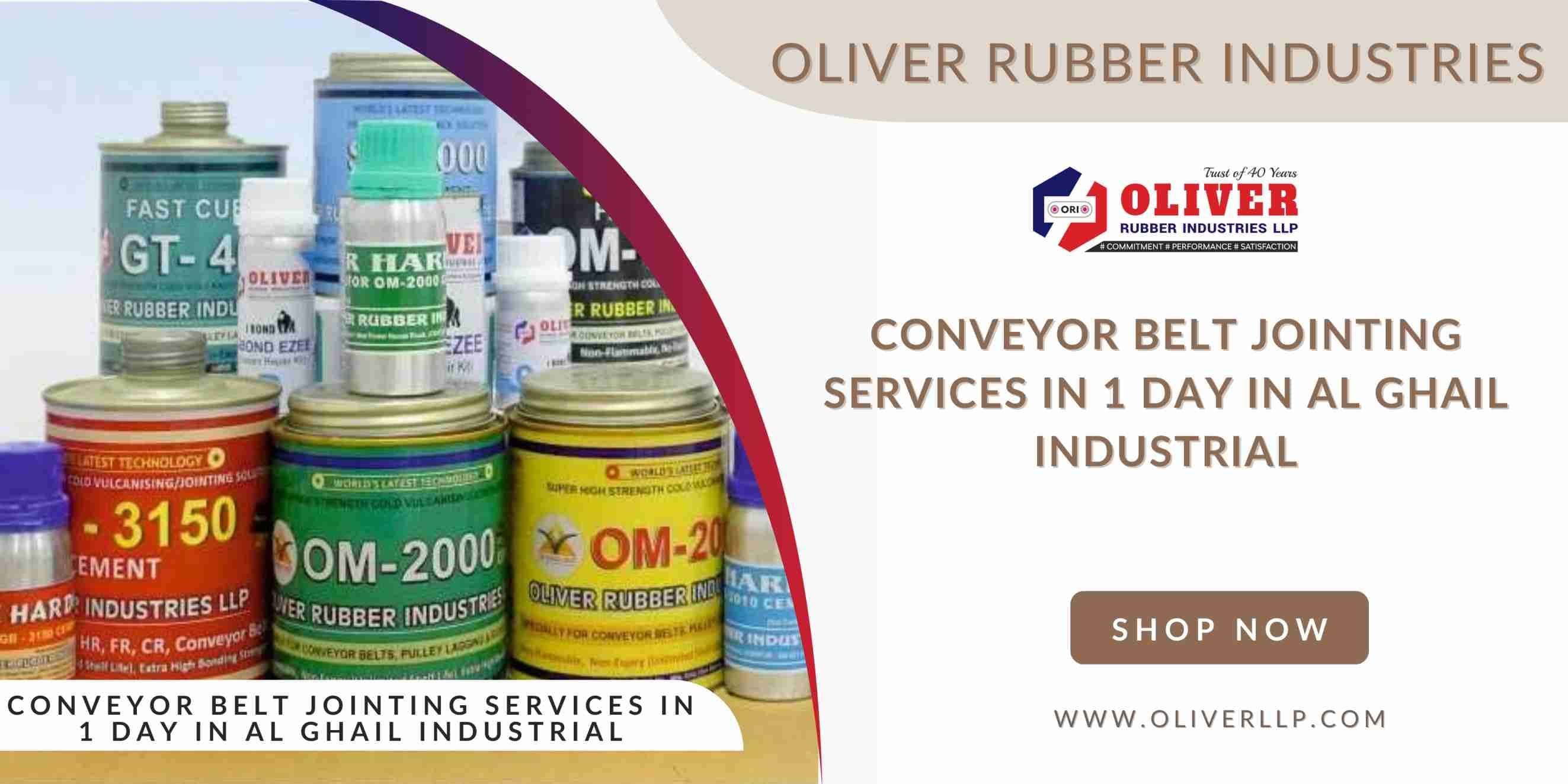
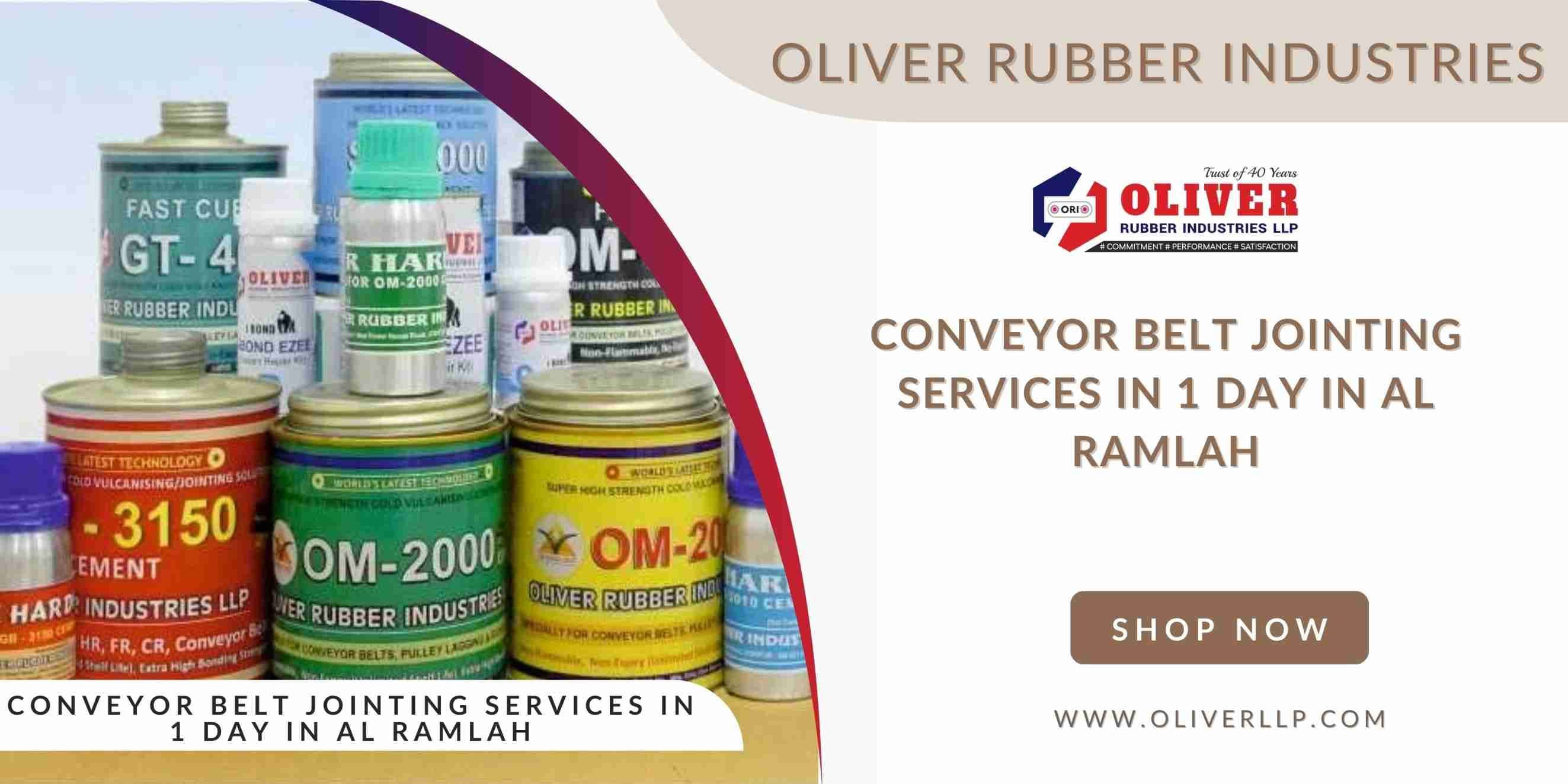
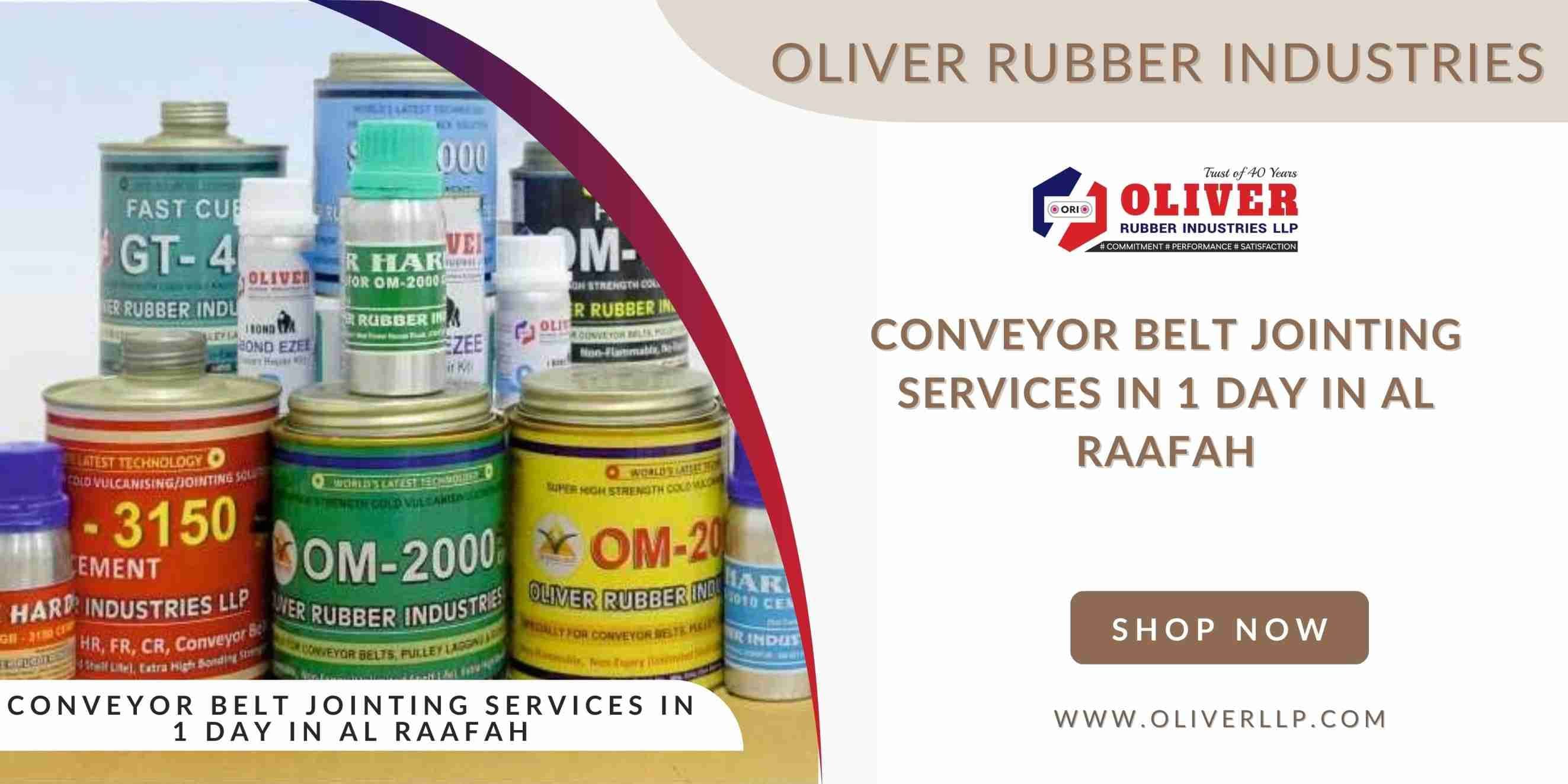
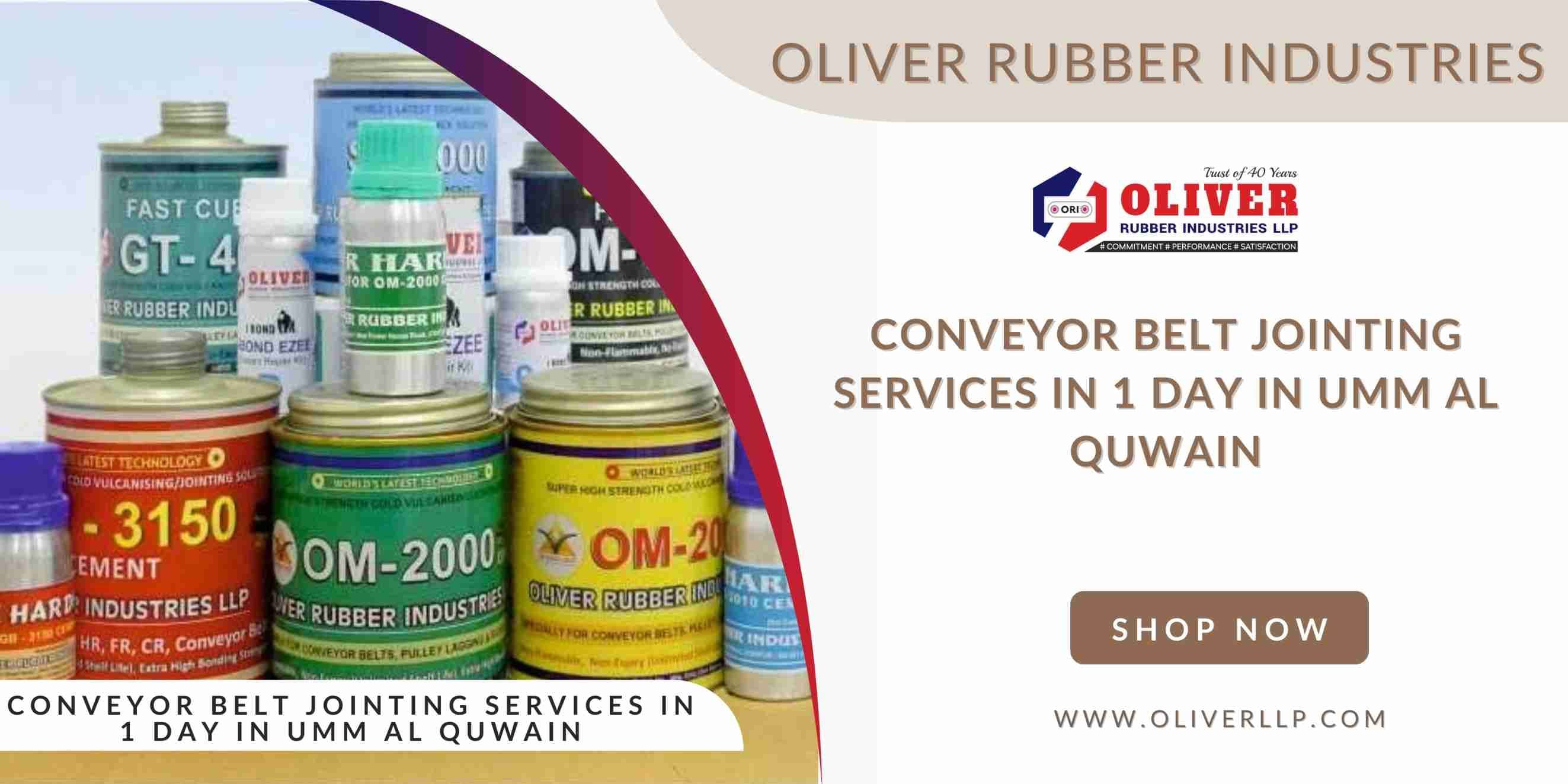
In addition to conventional safety measures, leveraging advanced technologies can further enhance conveyor belt safety and performance. One such innovation is the fast belt joint compound, a specialized adhesive designed for quick and reliable conveyor belt splicing.
Fast belt joint compounds offer several benefits, including:
Rapid Application: Fast belt joint compounds enable swift bonding of conveyor belt ends, minimizing downtime associated with traditional splicing methods.
High Strength and Durability: These compounds provide strong and durable bonds, ensuring reliable conveyor belt performance even under demanding operating conditions.
Enhanced Safety: By reducing the time required for belt splicing, fast belt joint compounds help mitigate exposure to hazards associated with prolonged maintenance activities.
Working with conveyor belts requires a proactive approach to safety to protect personnel and prevent accidents. By implementing comprehensive safety measures, including employee training, proper guarding, and regular maintenance, organizations can minimize risks and create a safer working environment. Additionally, leveraging innovative solutions like fast belt joint compounds can further enhance safety and efficiency in conveyor belt operations. Prioritizing safety not only safeguards employees but also promotes operational continuity and productivity in industrial settings.
Feb 27, 2026