Product Overview
Ceramic Lagging Sheets - Everything You Want to Know About
A ceramic lagging sheet with a chloroprene bonding layer is employed as a protective covering to enhance and prolong pulley life in applications in harsh circumstances in muddy and damp places. High-quality ceramic lagging with a chloroprene adhesive layer for rapid and simple installation has been created by Oliver Rubber Industries LLP.
Pulleys must be lagged to improve the friction coefficient, reduce slippage, and extend the shelf life of the conveyor belt.
Aspect | Detail |
|---|---|
Product | Ceramic Lagging Sheet |
Manufacturer | Oliver Rubber Industries LLP |
Material | High-quality ceramic with a chloroprene bonding layer |
Application | Protective covering for pulleys in harsh, muddy, and damp environments |
Benefits | Improved traction, reduced wear, chemical and heat resistance, increased belt and pulley life, non-slip grip, enhanced productivity |
Installation | Easy to install with chloroprene adhesive layer for rapid application |
Usage | Conveyor systems, mining equipment, power generation, and steel production |
Features | Durable, wear-resistant, capable of withstanding extreme temperatures, prevents dirt build-up, and minimizes system downtime |
Customization | Width, thickness, and length customizable according to requirements |
Pricing | Dependent on the size and specifications provided by the consumer |

To get this product from Amazon, click here
Traditional lagging is known to perform poorly in muddy and wet weather and to produce slippages. Standard lagging isn't the most advantageous, even in the medium-to-heavy load company. The amount of downtime rises as the lagging change cycle expands.
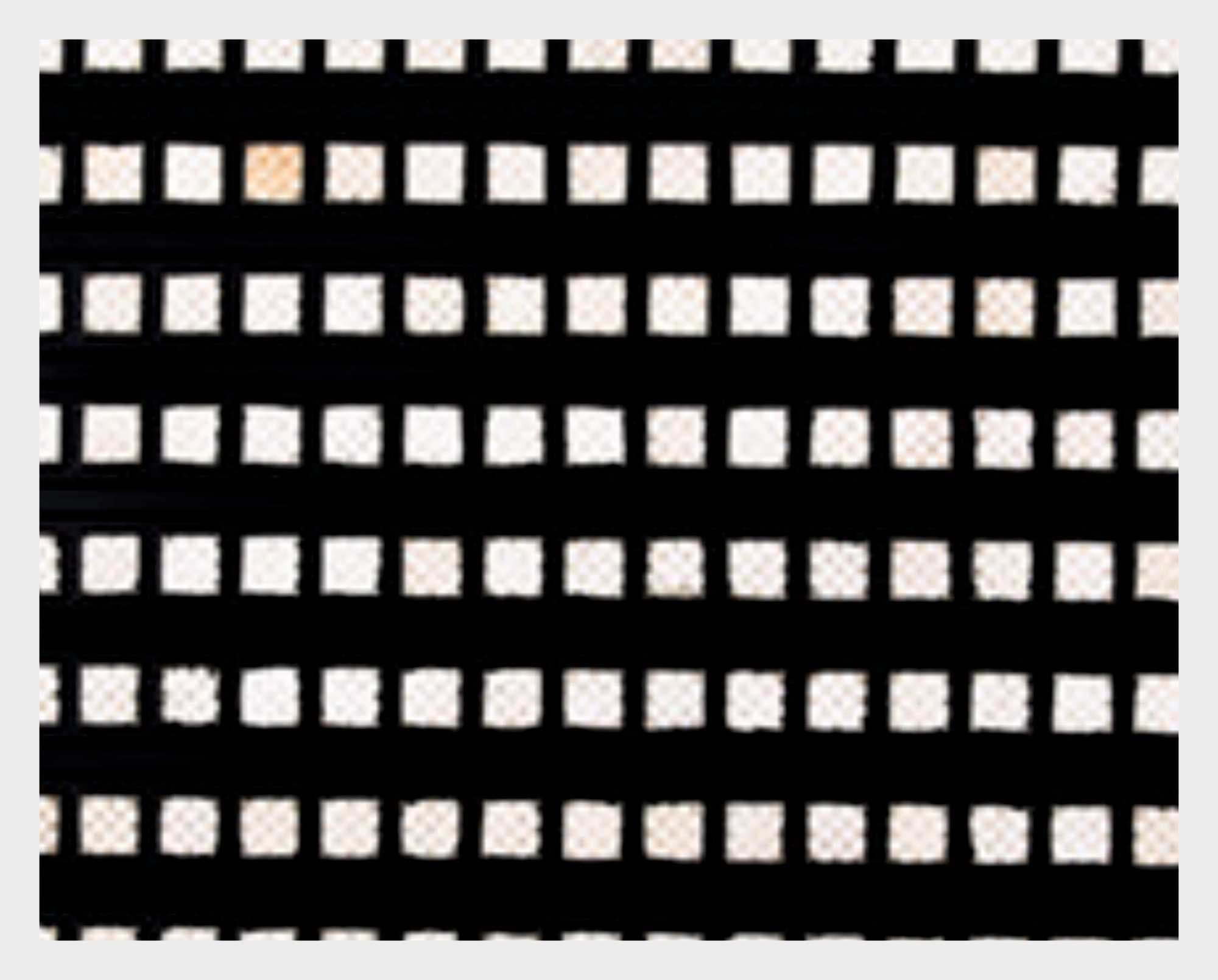
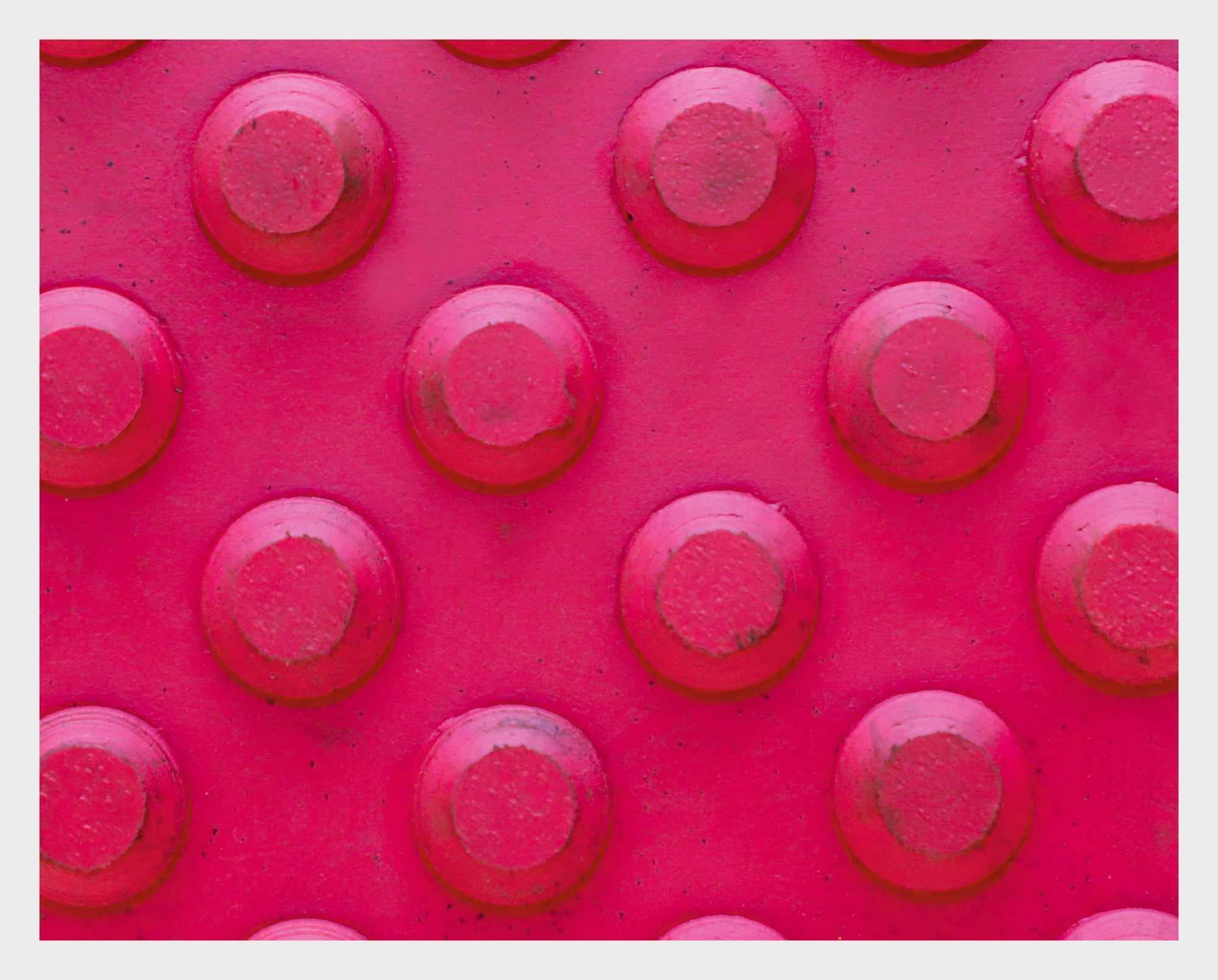
To prevent this, we recommend that you use our Ceramic Lagging Sheet, which was designed specifically for this reason. The ceramic substance offers a better grip and reduces the likelihood of slipping thanks to its dimpled surface. Additionally, it makes monitoring simple and significantly lengthens the shelf life of the lagging sheet.
The ceramic lagging sheet is a popular choice for industrial applications because it offers several benefits, including:
The ceramic lagging sheet is used in various industrial applications, including:
When it comes to improving equipment performance, one of the most critical factors to consider is the efficiency of the machine's components. The use of ceramic lagging sheets is one such component that can significantly impact the performance of a machine.
Ceramic lagging sheets are commonly used to provide a high level of grip between the belt and the pulley, ensuring efficient power transmission. These sheets are made of a ceramic material that is highly wear-resistant, durable, and capable of withstanding extreme temperatures.
The working principle of ceramic lagging sheets is relatively simple. When the belt comes into contact with the pulley, friction is created between the two surfaces. This friction can lead to slippage, which results in reduced power transmission efficiency and, ultimately, decreased machine performance.
By installing ceramic lagging sheets from the manufacturer of lagging, the amount of friction between the belt and the pulley is significantly reduced. The ceramic material is designed to provide a high level of grip, which prevents slippage and ensures that power is efficiently transferred from the motor to the machine's components.
Another significant advantage of ceramic pulley lagging sheets is that they are highly durable and resistant to wear and tear. This means that they can withstand the rigors of constant use without deteriorating, ensuring that they continue to perform at a high level for an extended period.
Easy to install
prevents dirt build-up in pulleys
Minimized system downtime
Non-Slip Grip between Ceramic Lagging and Belt
Increased Belt and Pulley Life
Reduced Belt Slippage
Increased Productivity
Please inform us of the width, thickness, & length; we will quote accordingly.
A ceramic lagging sheet is a protective covering used to enhance and prolong the life of pulleys in muddy and damp environments. It is specifically designed to improve friction, reduce slippage, and extend the life of conveyor belts.
The main benefits include improved traction, reduced wear, chemical and heat resistance, increased belt and pulley life, reduced belt slippage, and increased productivity.
Ceramic lagging sheets are suitable for various industrial applications, such as conveyor systems, mining equipment, power generation, and steel production.
Ceramic lagging sheets provide a high level of grip between the belt and the pulley, reducing slippage and ensuring efficient power transmission. They are also highly durable, wear-resistant, and capable of withstanding extreme temperatures.
Yes, the ceramic lagging sheet developed by Oliver Rubber Industries LLP comes with a chloroprene adhesive layer for quick and easy installation.
Please provide the width, thickness, and length of the sheet you require, and Oliver Rubber Industries LLP will quote accordingly.
Yes, ceramic lagging sheets help prevent dirt buildup in pulleys.
Yes, by reducing wear, belt slippage, and the need for frequent maintenance, ceramic lagging sheets can help minimize system downtime.
The rough surface of the ceramic lagging sheet provides excellent traction between the belt and the pulley price, reducing the risk of slippage.
Yes, ceramic lagging sheets are resistant to a wide range of chemicals, including acids, alkalis, and solvents, making them suitable for use in harsh industrial environments.
In summary, ceramic lagging sheets are a highly effective solution for enhancing traction and reducing slippage in conveyor systems. With their durable ceramic tiles bonded to a rubber backing, they provide exceptional resistance to wear, abrasion, and impact. Oliver Rubber LLP offers top-quality ceramic lagging sheets that are meticulously engineered to ensure optimal performance and longevity in various industrial applications. Choose Oliver Rubber LLP trusted manufacturer for all your ceramic lagging sheet needs and experience reliable, long-lasting solutions that enhance the efficiency and safety of your conveyor systems.
"Effective joint solution, but requires frequent maintenance."
Reliable joint system, minimal downtime reported."
"Innovative design, but installation complexity is noted."
"Cost-effective option, durability concerns raised."
"Excellent durability, occasional issues with alignment."
"Smooth operation observed, potential improvement in sealing mechanism"
Related Products
 Rubber Lagging
 If you have live equipment, installing an electrical safety mat will save your investments.
 Rubber Lagging
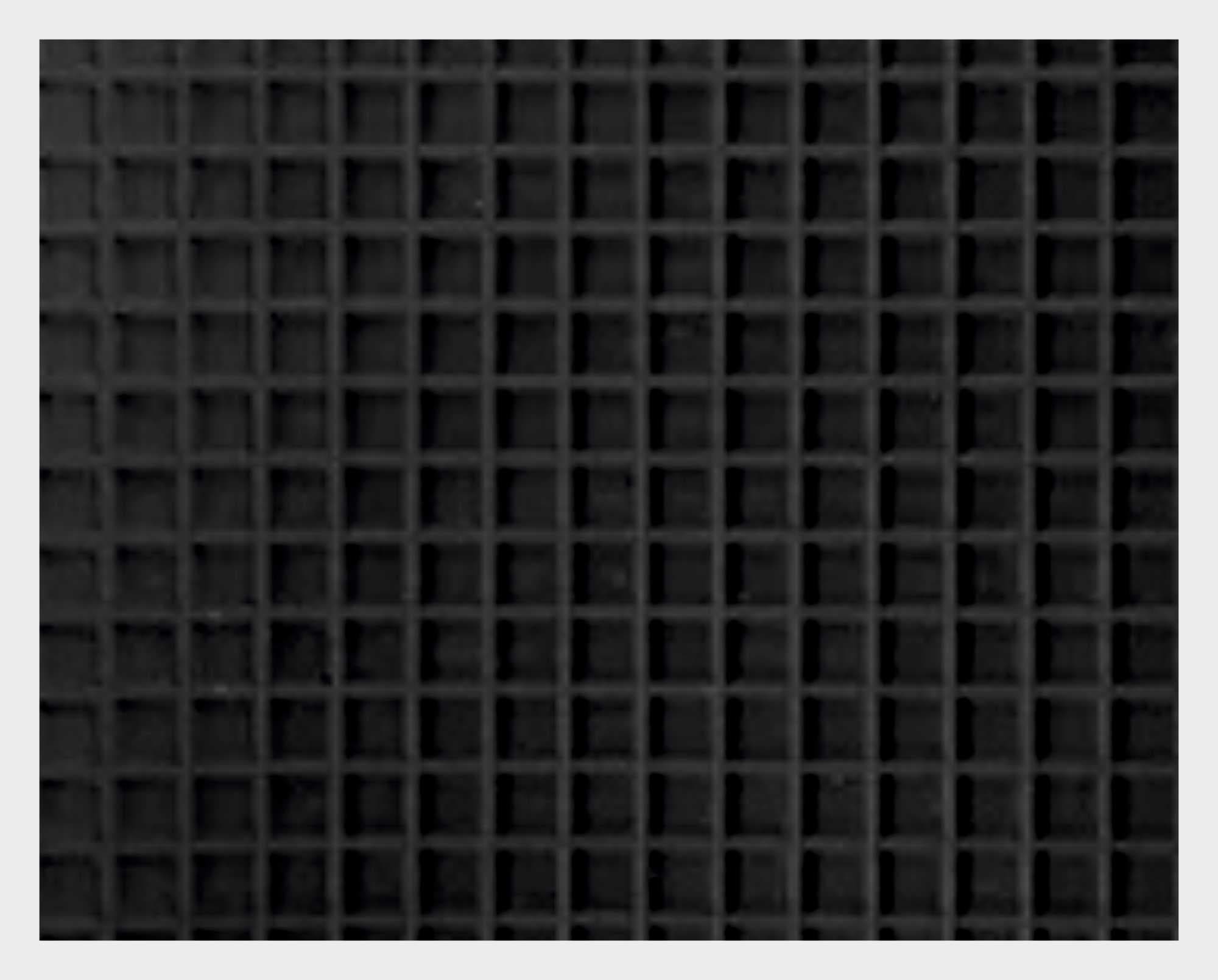
 Anti-slipping checkered rubber sheet for industrial use.
 Rubber Lagging
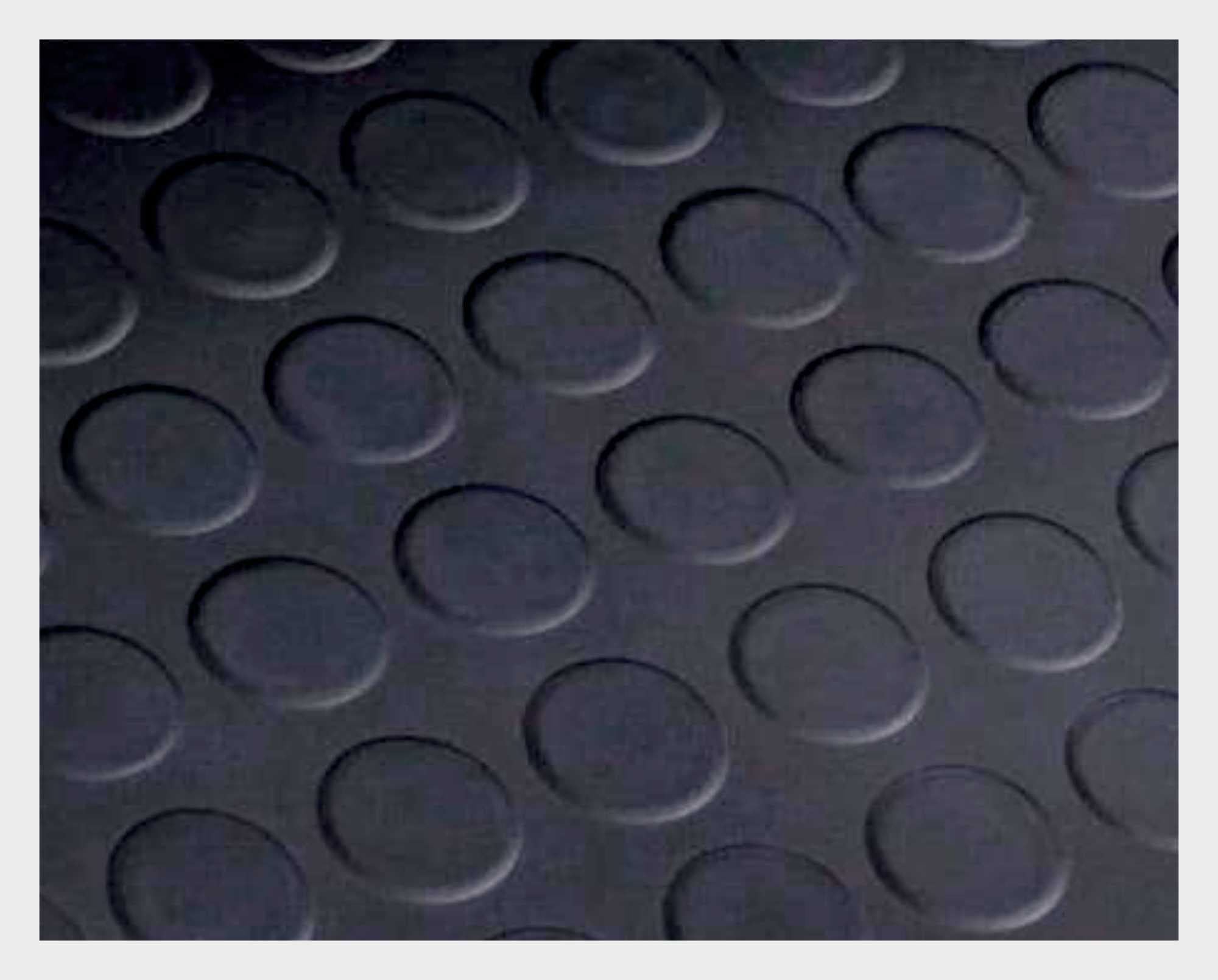
 Heat Resistant and Electric Saving Lagging Sheet Button Type. Please inform width, thickness & len...