-Cold-Vulcanizing-Solution.jpg&w=2048&q=75)
Product Overview
A Tin Pack of 1kg Vulcanizing Cement with KRE Hardener in a 70gm Aluminium Bottle
Let's understand the use of a cold vulcanizing kit for a fire-resistant conveyor belt with an example. Do you put chili powder in a cake or pudding? Do you add sugar to your perfectly cooked, spicy pizza? What type of combo is it, you may ask? Okay, let's slightly alter the questions. Would you use cello tape to adhere to the plywood used to construct your sofa? It's terrible, isn't it? That is precisely how we feel when we observe individuals joining conveyor belts made of HR, FR, and CR Grade with a regular cold vulcanizing kit. These conveyor belts can withstand temperatures of up to 180°C; however, when a conventional cold vulcanizing kit is used, the joint breaks severely, thus impacting the entire manufacturing process. To produce joints for conveyor belts of such grades, we recommend using our GB-3150 Cement with KRE Hardner, since it is the best cold vulcanizing kit that can be used on it.
Aspect | Detail |
|---|---|
Product | Cold Vulcanizing Fluid Kit |
Purpose | For repairing HR, FR, and CR-grade conveyor belts |
Benefits | Cost-effective, minimizes downtime, has high-temperature resistance, and allows for quick and efficient repairs |
Application | Conveyor belt repair, particularly for belts transporting goods above 180°C |
Recommended Product | GB-3150 Cement with KRE Hardener for strong bonding |
Types of Conveyor Belts | HR Grade (T1), SHR Grade (T2), and UHR Grade (T3) for different temperature ranges |
Advantages of GB-3150 | Superior bonding strength, non-flammability, fast curing, large coverage, and unlimited shelf life |
Usage Instructions | Clean and prepare the belt, apply cold vulcanizing solution, press and hold for curing |
Eco-Friendliness | GB-3150 is suitable for cold-vulcanizing HR, FFR, and CR-grade belts due to its eco-friendly properties |

It's crucial to make sure that conveyor belts stay intact and are functioning when transporting items at high temperatures. For conveyor belt repairs that don't need system shutdown, a cold vulcanizing kit is an ideal option. Let's examine cold vulcanizing kits in further detail and discuss how they might support the preservation of conveyor belts that transport goods at temperatures exceeding 180 degrees Celsius.
It can be costly and time-consuming to completely repair a broken conveyor belt. Cold vulcanizing allows you to fix the damaged region quickly and easily without having to shut down the entire conveyor system. This reduces downtime and revenue loss since production may continue while the repair is being completed.
Additionally, even when conveyor belts are transporting hot materials, the cold vulcanizing kit is quite efficient at fusing them together. This is so that the adhesive used in the process can endure high temperatures and continue to be strong and reliable over time.
It is a very easy approach to repair a conveyor belt using the manufacturer's best quality cold vulcanizing solution in india. The belt's damaged section is cleaned and ready. The belt is then coated with the cold vulcanizing solution, which is then left to dry. The belt's two sides are pulled together and held in place while the glue cures completely after it has dried.
Heat-resistant conveyor belts are ideal for situations where the temperature of the goods being transported is over 180°C. Minerals and oils are also resistant to these heat-resistant conveyor belts. This type of conveyor belt possesses excellent heat- & abrasion-resistant cover rubber compound and is capable of withstand high temperatures. There are mainly three types of heat-resistant conveyor belts: (i) HR Grade (T1), which is heat-resistant and suitable for continuous Temperatures up to 125 degrees Celsius; (ii) SHR Grade (T2) Conveyor belts are used for handling material up to 150 degrees Celsius. (iii) UHR Grade T3 A conveyor belt is used for handling material up to 180 degrees Celsius.
Choosing a vulcanizing kit with conveyor belt repairs manufacturer is cost-effective and minimizes downtime. It allows for quick and efficient repairs of damaged sections without the need to shut down the entire conveyor system. The adhesive used in the process can withstand high temperatures, ensuring long-term reliability.
Using a cold vulcanizing kit for conveyor belt repair is straightforward. First, clean and prepare the damaged section of the belt. Then, apply the cold vulcanizing solution, allowing it to dry. Finally, bring the belt's two sides together, holding them in place until the glue cures completely.
Heat-resistant conveyor belts are used when transporting goods at temperatures exceeding 180°C. They are resistant to high temperatures, making them suitable for conveying hot materials, minerals, and oils. There are three main types: HR Grade (T1) for up to 125°C, SHR Grade (T2) for up to 150°C, and UHR Grade (T3) for up to 180°C.
Using GB-3150 with a Cold Vulcanizing Kit offers superior bonding strength, is non-flammable, cures quickly, covers a large area, and has an unlimited shelf life. It's especially recommended for joining fire-resistant conveyor belts.
To join fire-resistant conveyor belts (HR, FR, or CR grade) effectively, use a cold vulcanizing solution that meets specific parameters. Oliver Rubber's GB-3150 is recommended for its speedy jointing abilities and suitability for these belts, which transport high-temperature materials exceeding 150°C.In conclusion, the Cold Vulcanizing Kit stands as a versatile and indispensable solution for repairing rubber components with ease and efficiency. Its user-friendly application process, coupled with strong and durable bonding capabilities, makes it a preferred choice across various industries. With this kit, businesses can swiftly address maintenance needs, prolong the lifespan of rubber products, and maintain operational continuity. Embracing the Cold Vulcanizing Kit price translates to cost-effectiveness, reliability, and enhanced productivity for any operation reliant on rubber components.
Review:
"Effective joint solution, but requires frequent maintenance."
Reliable joint system, minimal downtime reported."
"Innovative design, but installation complexity is noted."
"Cost-effective option, durability concerns raised."
"Excellent durability, occasional issues with alignment."
"Smooth operation observed, potential improvement in sealing mechanism"
Related Products
 Cold Vulcanizing
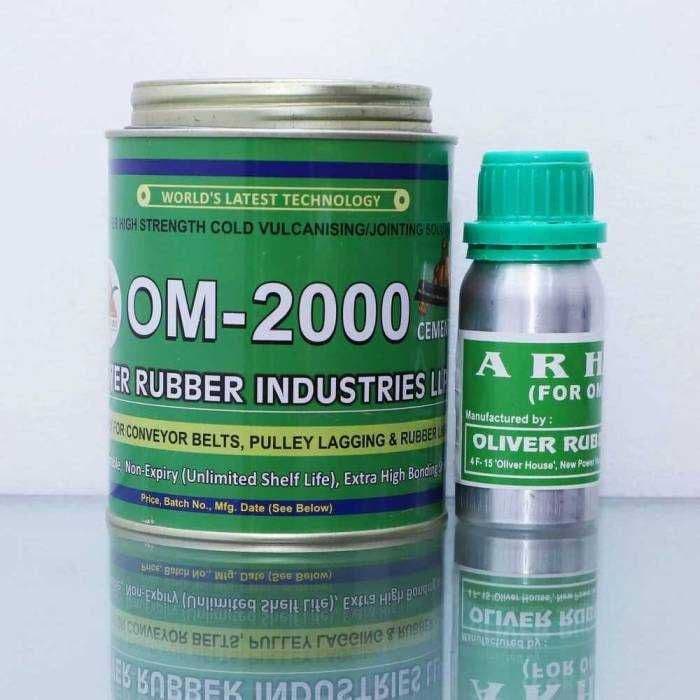
Cold Vulcanizing Cement
 Cold Vulcanizing
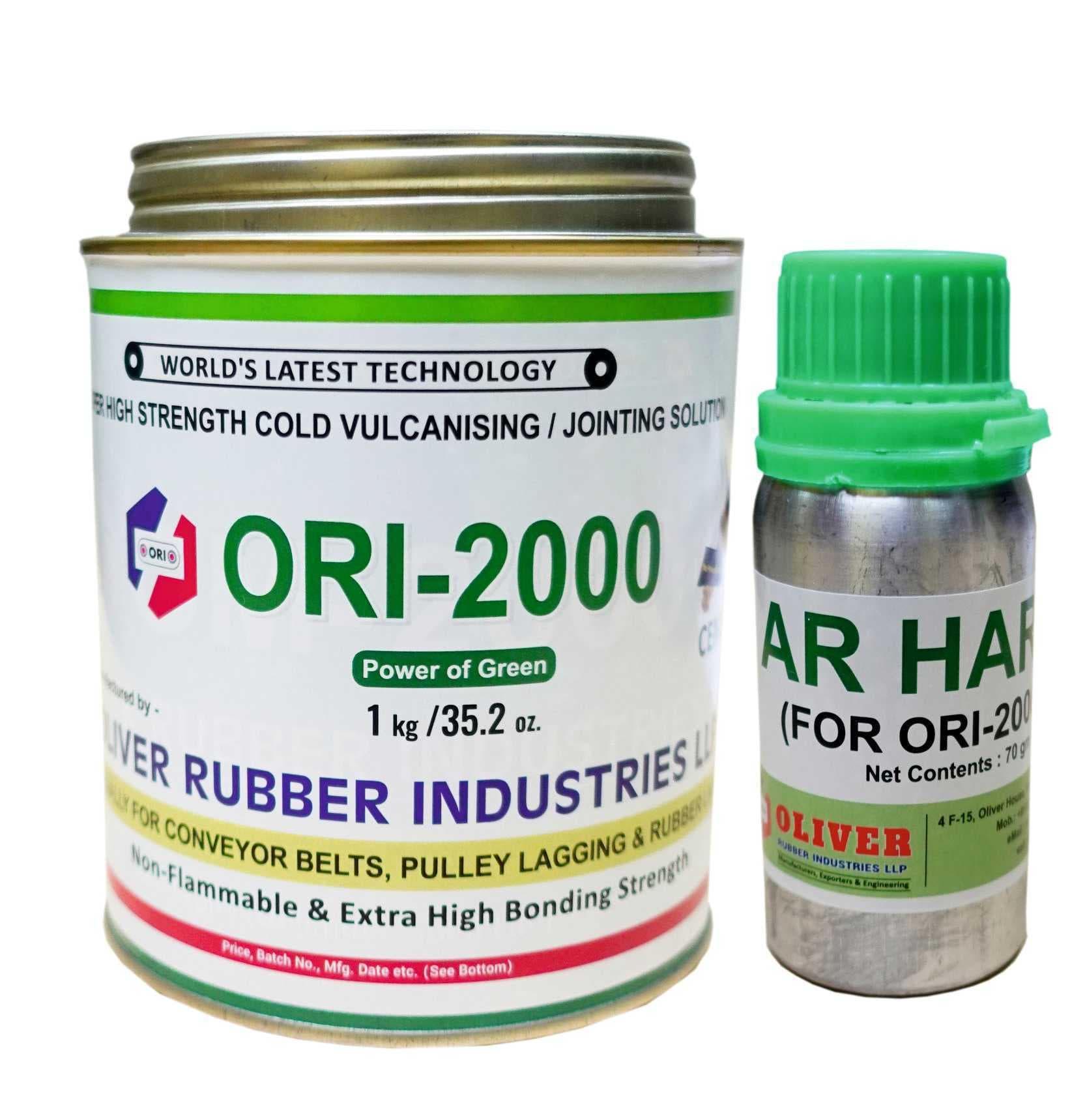
A replica of vulcanizing rubber cement OM 2000
 Cold Vulcanizing
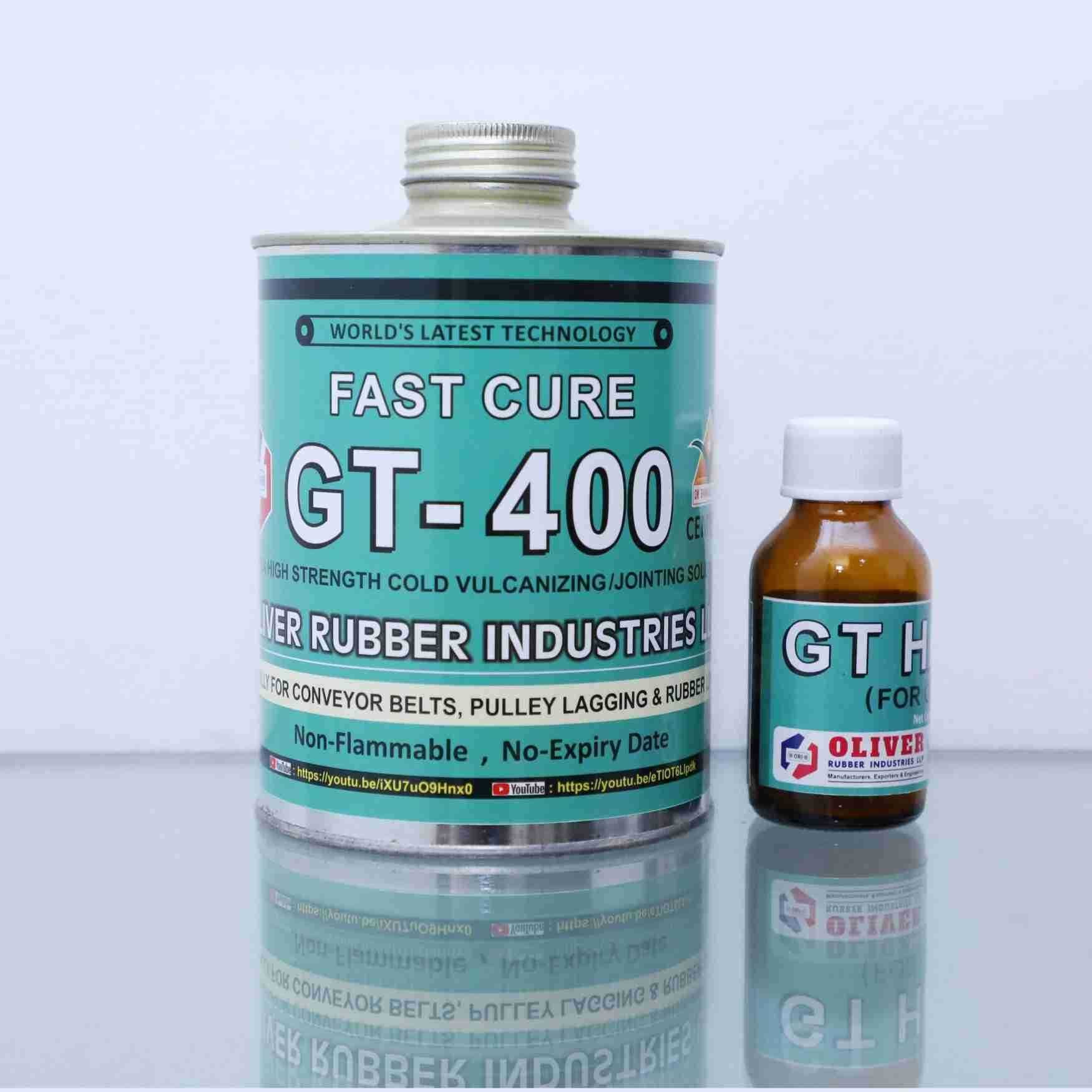
Cold Vulcanizing Solution for quick belt splicing at an extremely low cost.